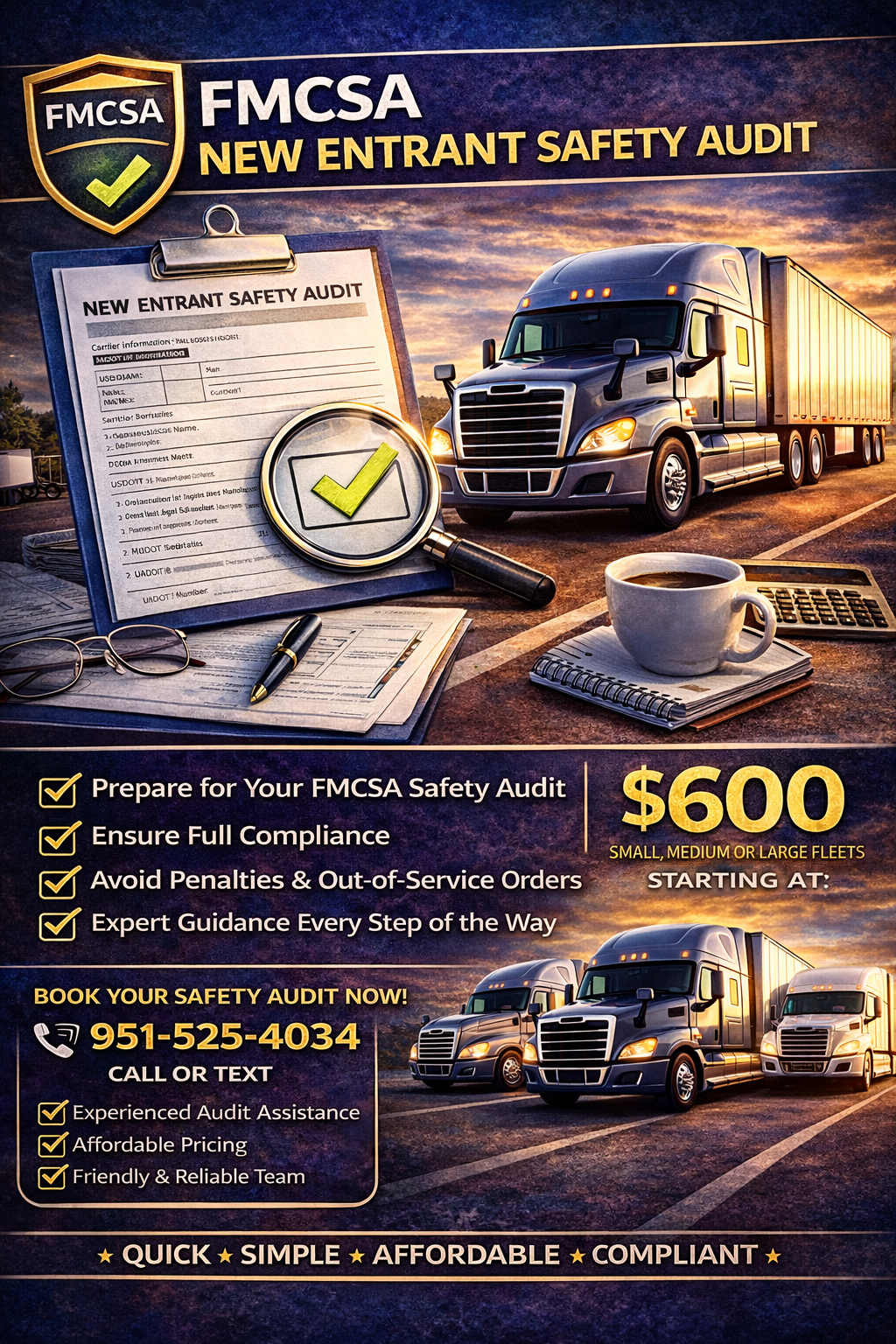
Intrastate Non‑CDL Business Formation: complete setup for owner‑operators including LLC formation, EIN registration, DOT number filing, CA number (if applicable), and Motor Carrier Permit (MCP) processing — everything needed to legally operate within a single state.
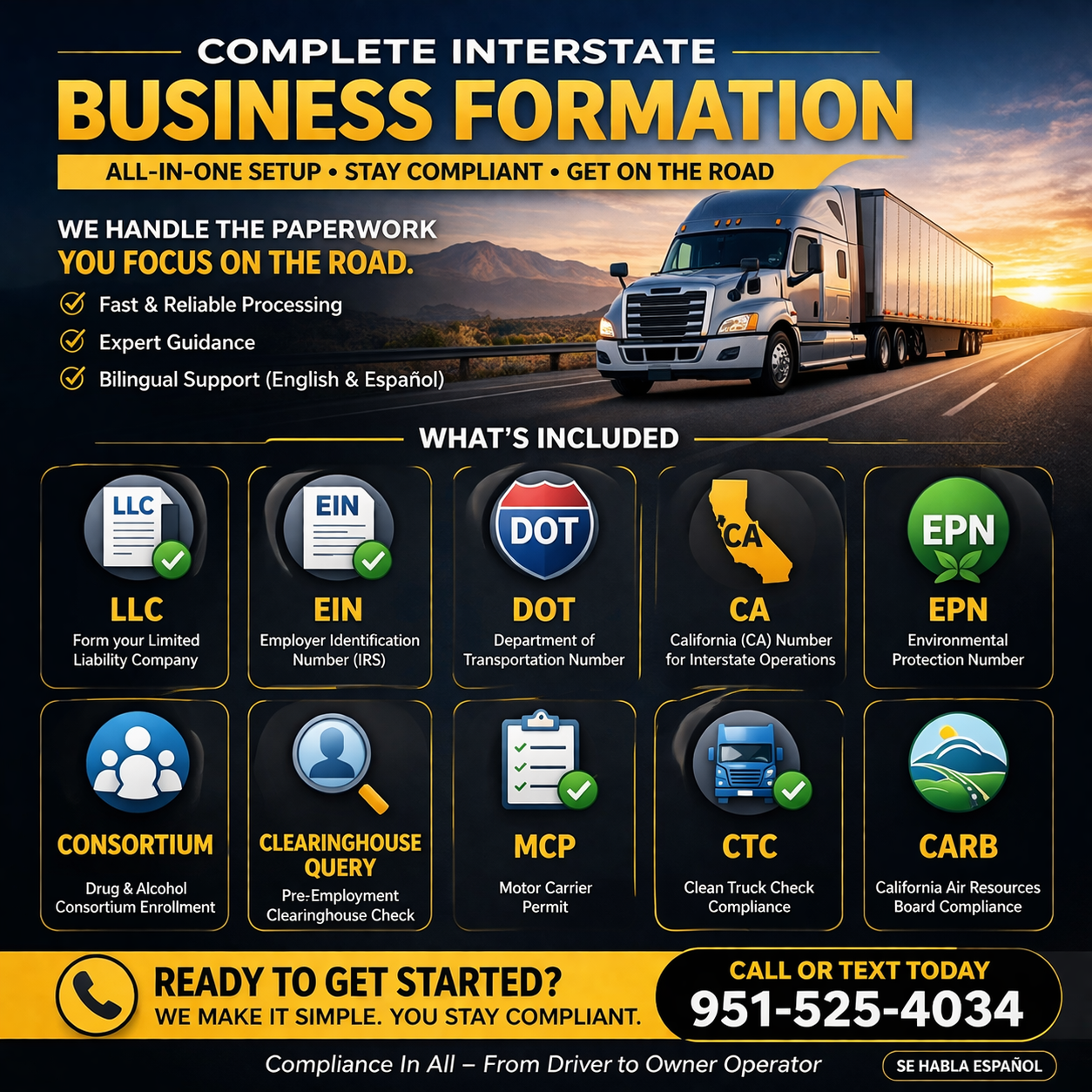
Our complete Interstate Business Formation service is designed for drivers ready to start operating legally and confidently. We handle the full setup process, including your LLC, EIN, DOT, CA number, EPN, Drug & Alcohol Consortium, Clearinghouse Query, MCP, Clean Truck Check (CTC), and CARB compliance. This all-in-one service helps simplify the paperwork, save time, and ensure your business is properly set up to operate and stay compliant from the start.
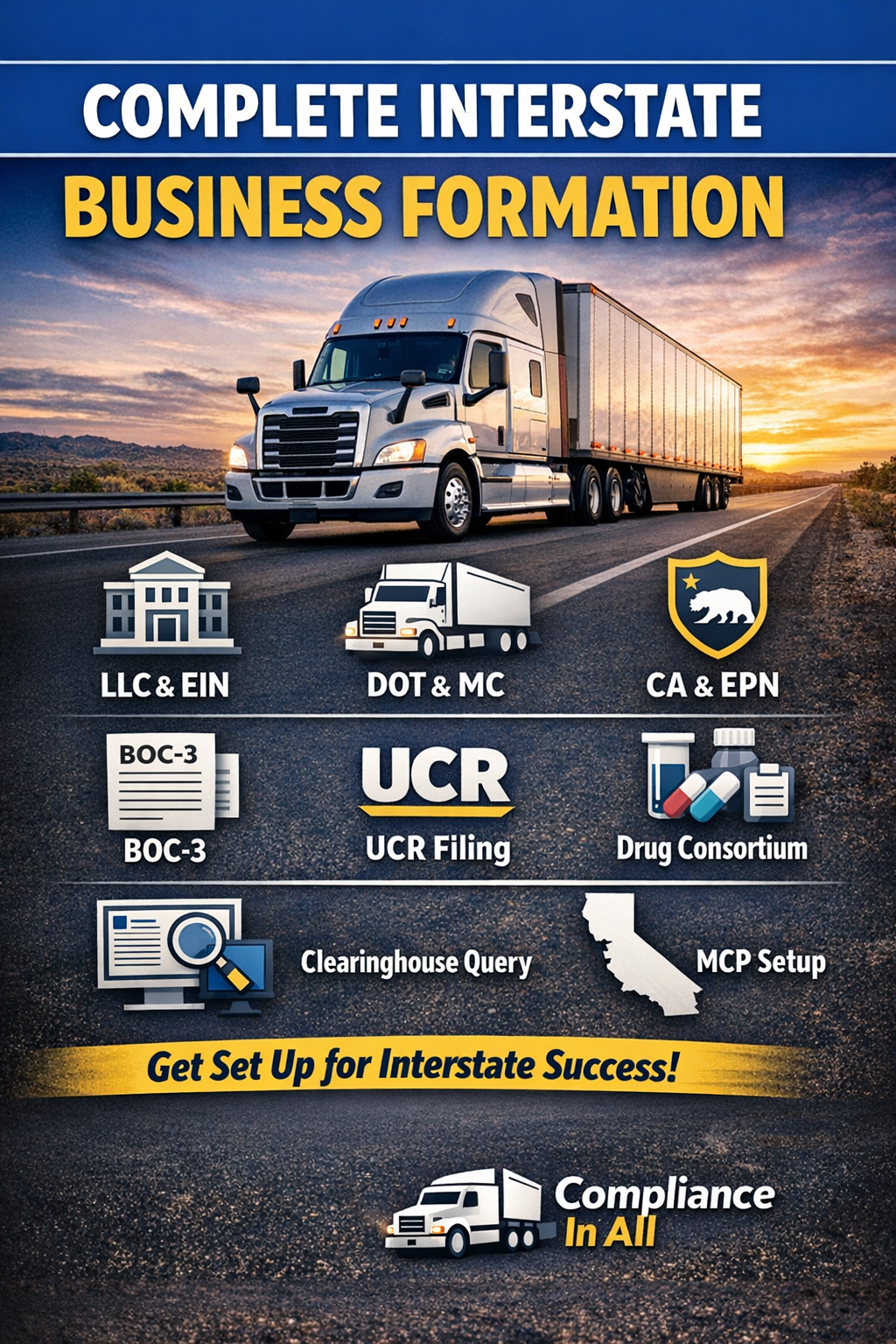
Our complete Interstate Business Formation service is designed for drivers who are ready to begin operating legally and with confidence. We manage the entire setup process on your behalf, including formation of your LLC, obtaining your EIN, DOT number and MC authority, filing your BOC-3, securing your CA number and EPN, handling UCR registration, enrolling you in a Drug & Alcohol Consortium and performing Clearinghouse queries, plus setting up MCP, CTC, CARB compliance and your IFTA account. This all-in-one solution simplifies complex paperwork, saves you valuable time, and ensures your business is properly established and compliant for interstate operations from day one.
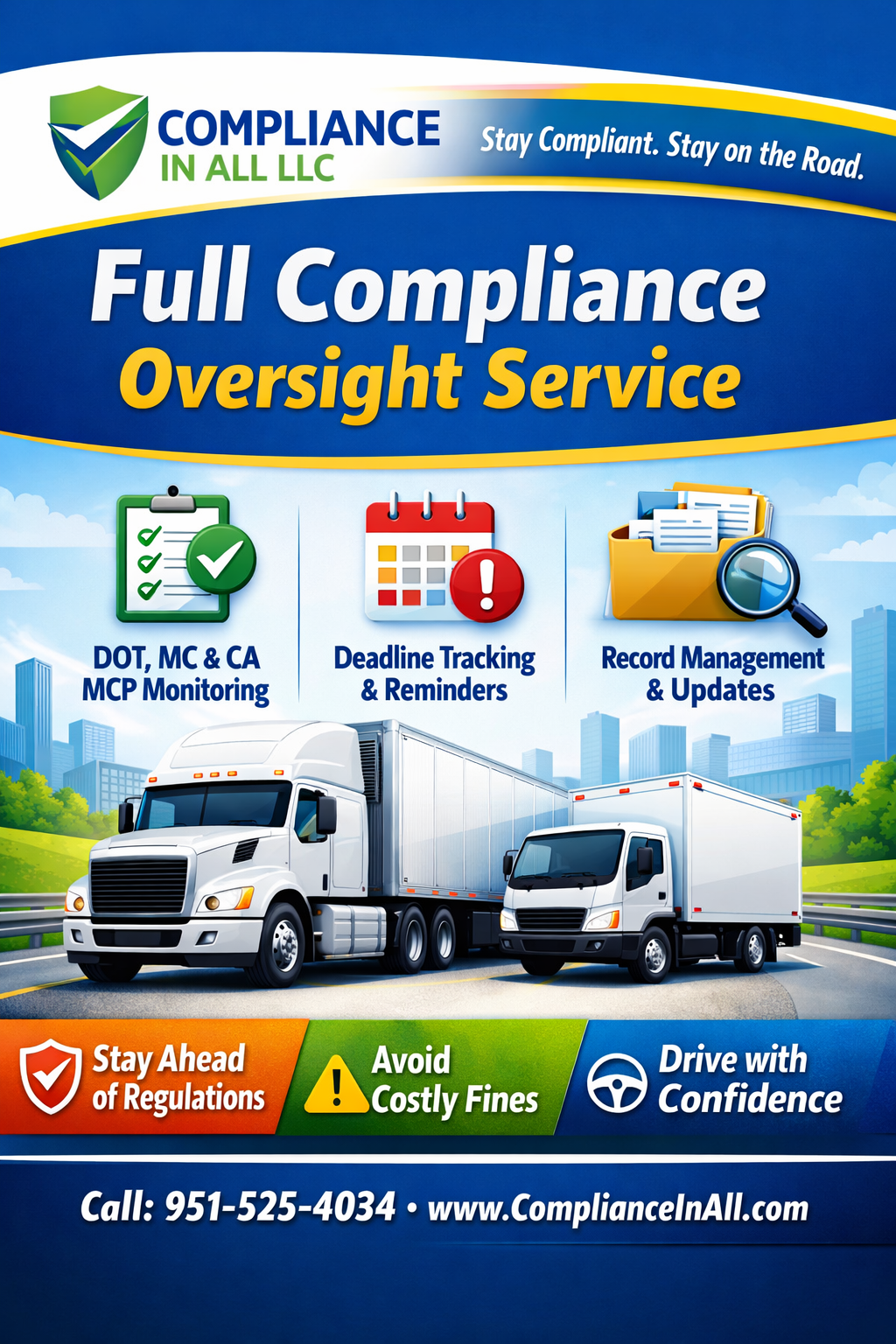
Owner-Operator Compliance: Keep Your Truck Moving, Your Business Protected
Operating as an owner-operator means juggling driving, maintenance, paperwork, and business growth. One missed form, expired registration, or out-of-compliance safety plan can cost weeks of downtime, steep fines, and damaged reputation. Owner-Operator Compliance from Compliance In All removes the regulatory burden so you can focus on the road and your bottom line.
What we deliver
Complete DOT & FMCSA management: registration, UCR, MCS-150 updates, biennial updates, and DOT number setup with ongoing monitoring to prevent accidental lapses.
Safety & CSA support: safety program review, corrective action planning, violation mitigation assistance, and driver qualification file maintenance to help reduce CSA scores and audit risks.
Licensing & permits: IFTA, IRP, hazmat endorsements and permits, state trip permits, and route-specific permit guidance so you never miss a required credential.
Drug & alcohol program administration: random pool management, consortium enrollment, testing coordination, and policy documentation that meets federal requirements.
Audit & investigation defense: proactive audit preparation, representation during inspections, document retrieval, and appeal assistance if enforcement actions arise.
Recordkeeping & reporting: organized secure record storage, automated reminders for renewals and expirations, and accessible compliance reports for brokers and shippers.
Tailored compliance plans: scalable solutions for single-truck owner-operators through small fleets — policies, checklists, and training materials built for your operation.
Why clients choose us
Save time: we handle time-consuming filings, monitoring, and renewal tracking so you can keep driving.
Reduce risk: proactive strategies and continuous monitoring minimize fines, suspensions, and costly downtime.
Improve access to freight: clean compliance records and professional documentation make you more attractive to brokers and shippers.
Transparent pricing: clear packages designed for owner-operators — no hidden fees, predictable costs.
Expert support: compliance specialists with industry experience available to answer questions and step in during incidents.
How it works
Quick compliance scan: we assess your current status and identify immediate risks.
Customized action plan: prioritized tasks and a clear timeline to bring you to full compliance.
Ongoing management: filings, monitoring, and renewals handled automatically; alerts and reports sent to you.
Continuous improvement: quarterly reviews to tighten procedures, reduce violations, and keep CSA scores low.
Get back to driving with confidence Don’t let regulatory complexity slow you down. Owner-Operator Compliance from Compliance In All protects your business, reduces downtime, and
Carrier Permit requirements are tracked closely; we monitor deadlines, send timely reminders, and provide comprehensive documentation support.
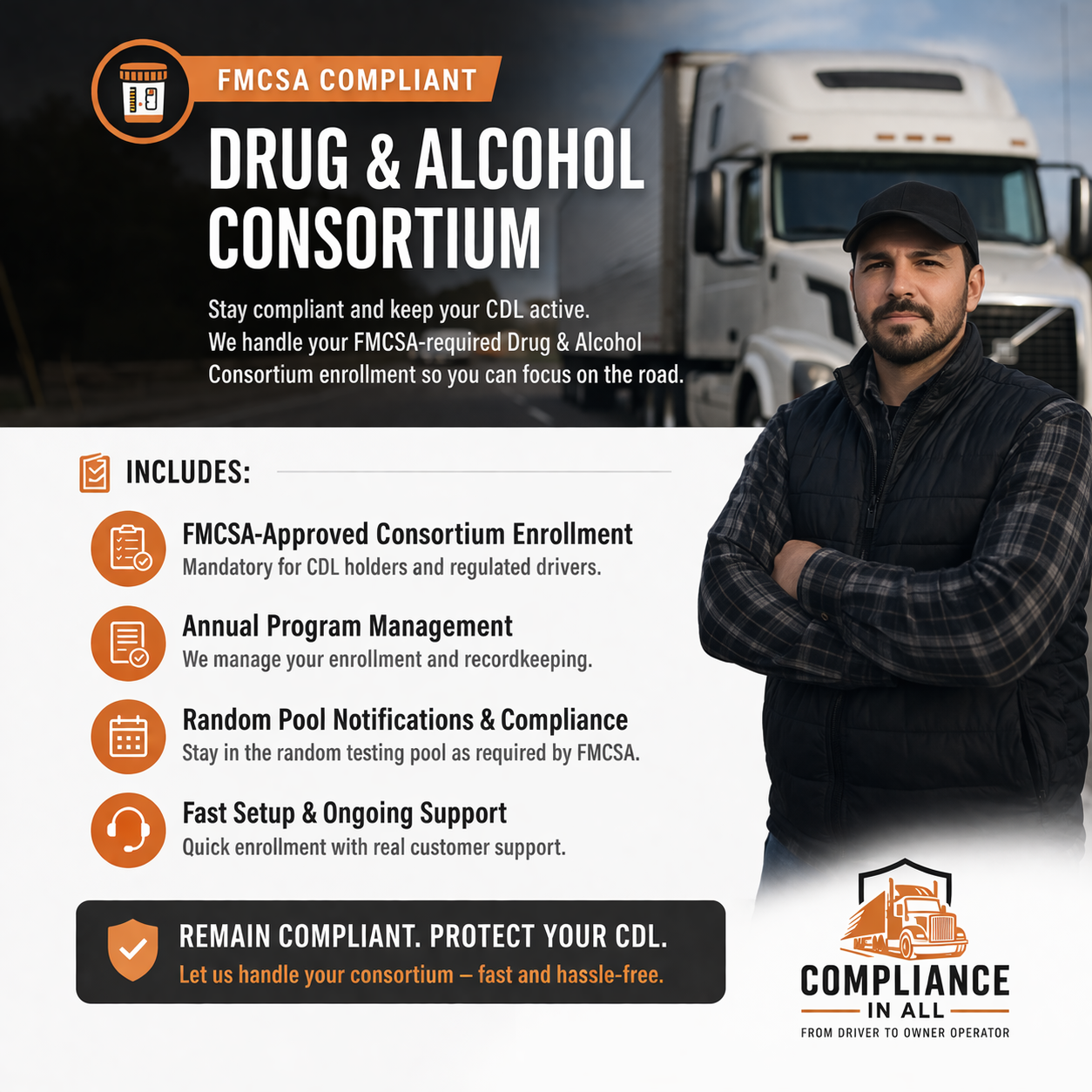
Compliace In All LLC provides Drug & Alcohol Consortium Administration and Compliance Coordination Services for owner-operators and motor carriers subject to FMCSA drug and alcohol testing requirements.
Services include consortium enrollment, testing coordination, record maintenance, compliance monitoring, and deadline reminders.
Compliance In All LLC does not perform testing, act as Medical Review Officer (MRO), or represent regulatory agencies.
“Have you registered with the FMCSA Clearinghouse?”
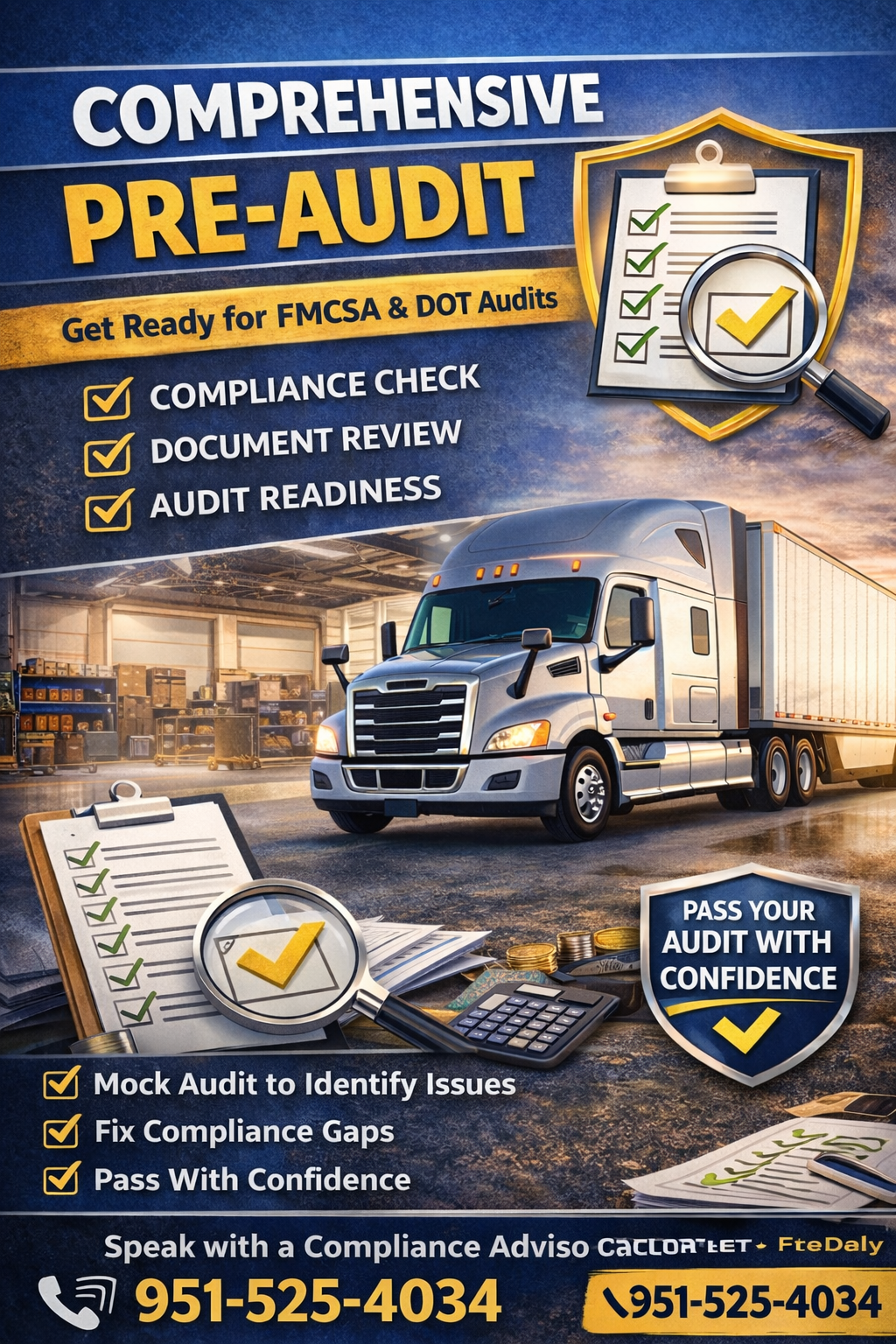
Ensure complete compliance with our Pre-Audit Review, expertly designed to address all your regulatory needs and protect your business from potential pitfalls. Reduce risks and maintain impeccable records with ease and efficiency.
Conduct a thorough pre-audit of state and federal permits, including ELD, Clearinghouse, Consortium, DQ Files, and Vehicle files.
Identify compliance gaps swiftly and efficiently to prevent potential legal liabilities.
Customized solutions to ensure your company meets regulatory requirements smoothly.
Our service liberates you from compliance anxieties, providing peace of mind and freeing you to focus on growing your business. Trust in our expertise to navigate complex regulations seamlessly, protecting your business and ensuring uninterrupted operations.
This service begins with 1 to 2 vehicles and drivers.
49 CFR 391 explains the minimum requirements for commercial motor vehicle drivers. Motor carriers are required to maintain a qualification file for each of their drivers. The following checklist will help you ensure that each driver qualification file is complete.

The following checklist is provided to assist motor carriers whose California (CA) terminals are subject to inspection by the Department of the California Highway Patrol (CHP) pursuant to Section 34501 or 34501.12 of the California Vehicle Code (CVC). Any motor carrier, as defined in Section 408 CVC, can improve its ability to pass such inspections by closely examining its own operations using the following checklist.
49 CFR 391 explains the minimum requirements for commercial motor vehicle drivers. Motor carriers are required to maintain a qualification file for each of their drivers. The following checklist will help you ensure that each driver qualification file is complete.
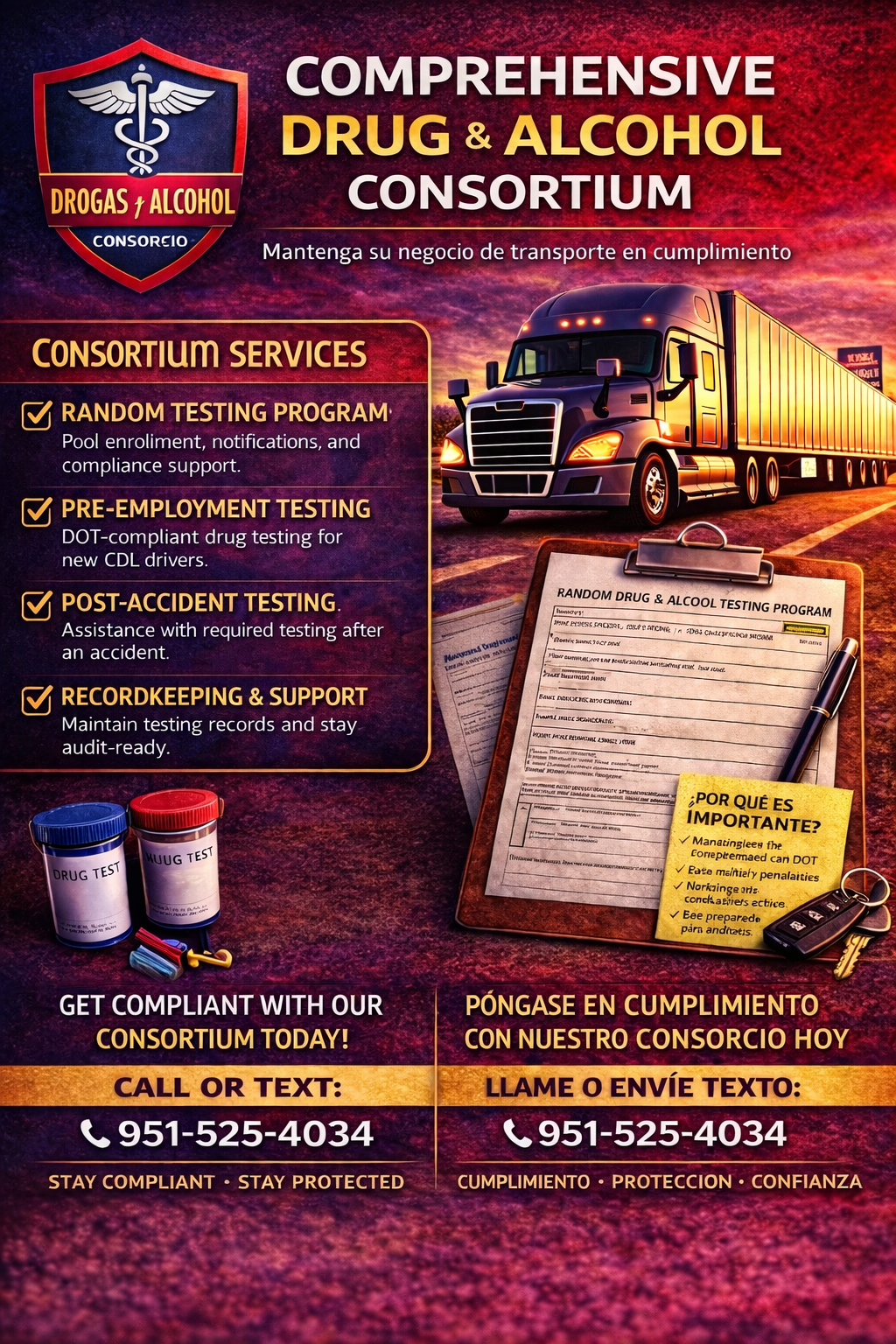
Simplify your compliance processes with our comprehensive Drug & Alcohol Consortium services, designed to meet FMCSA standards effortlessly. Protect your fleet while maintaining regulatory compliance smoothly and efficiently.
Ensure compliance with FMCSA regulations easily and efficiently.
Access to a centralized database for tracking and managing substance use information.
Streamlined processes to maintain safety and legal standards for your fleet.
Join our consortium and protect your business from regulatory risks, ensuring peace of mind for you and safety on the roads. Stay ahead with confidence and clarity, knowing you're in full compliance.
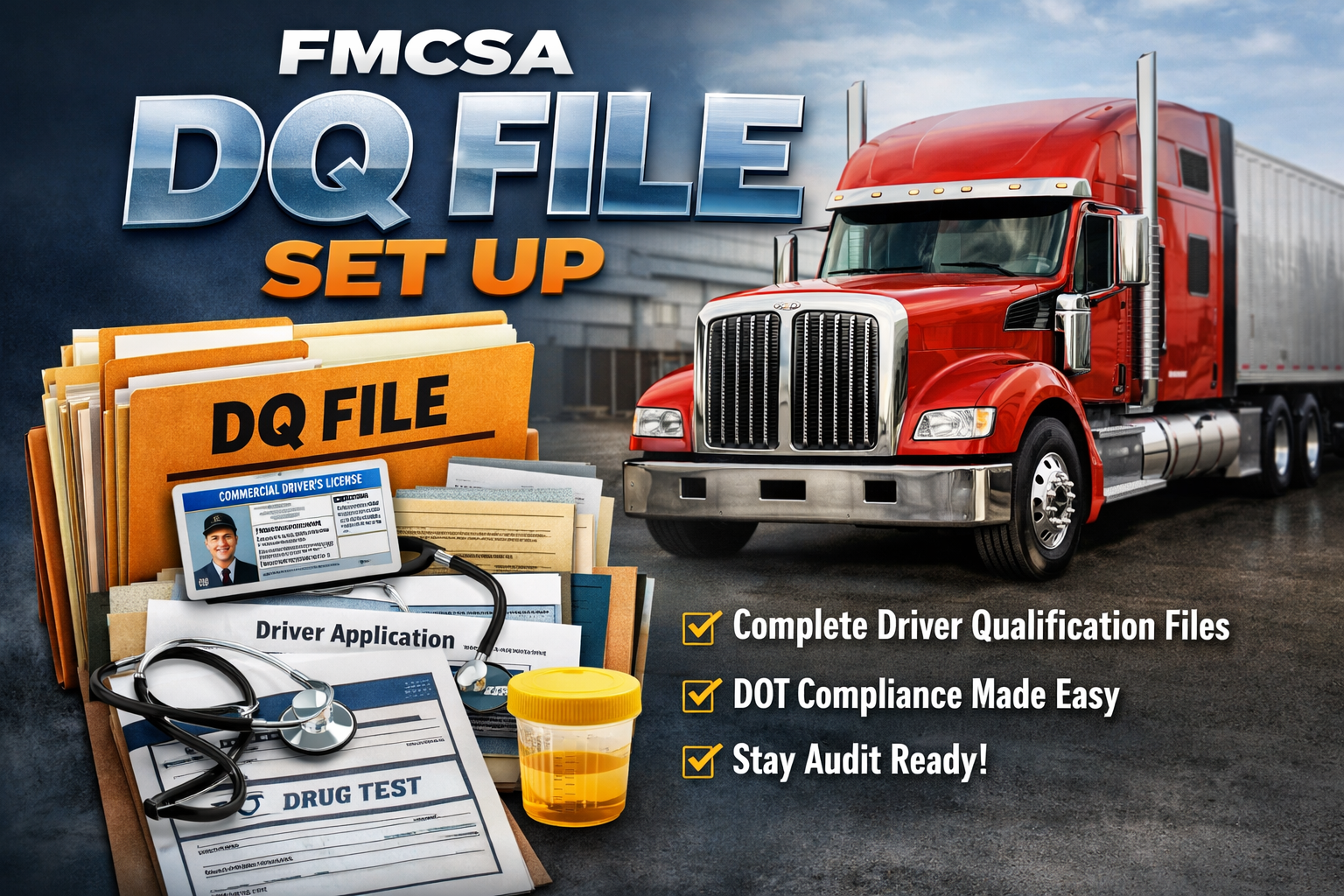
We help carriers create organized Driver Qualification (DQ) Files to support driver compliance and proper recordkeeping. Our service helps you set up the required driver file structure, organize important documents, and keep your business better prepared for audits and compliance reviews.
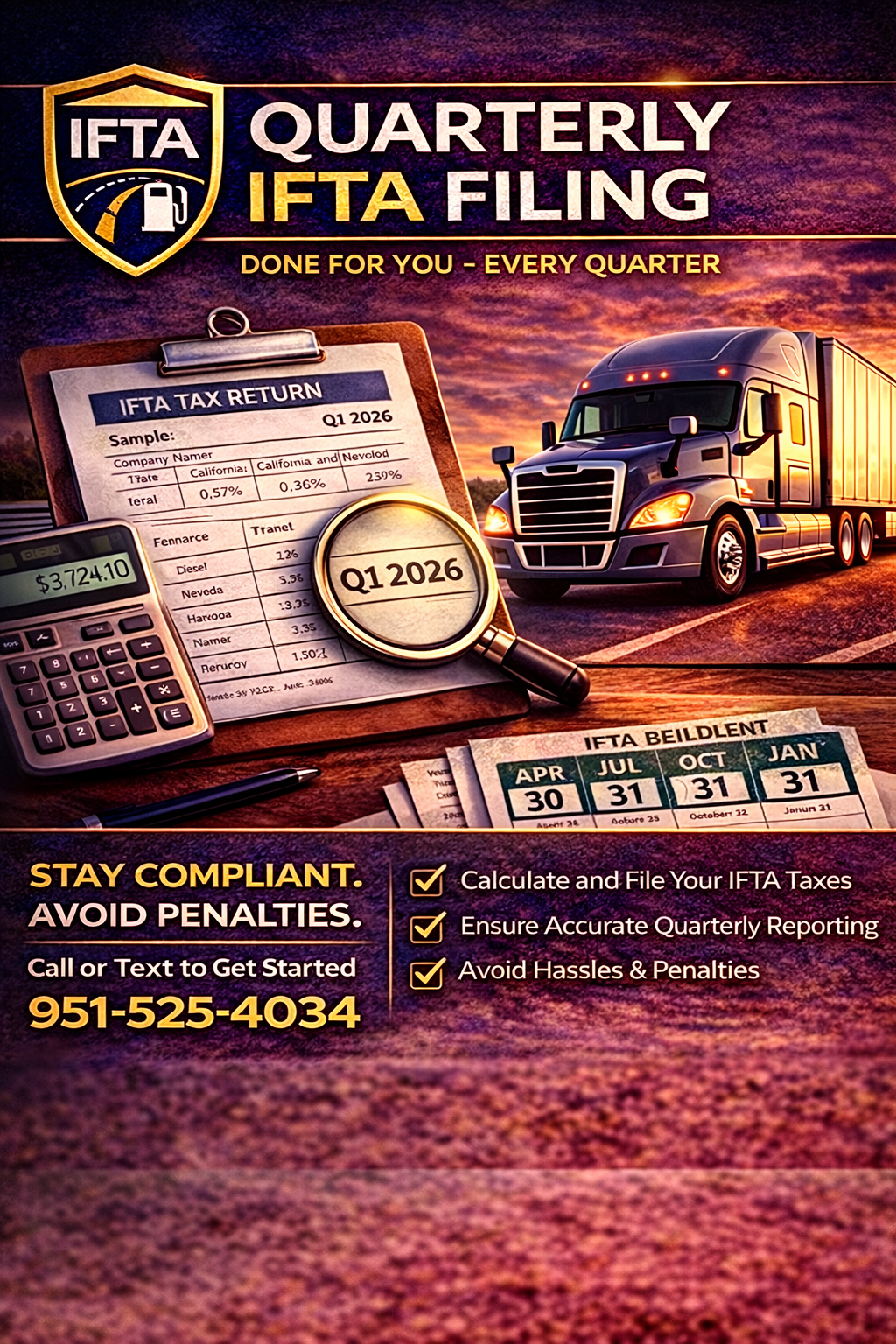
The purpose of IFTA is to establish and maintain a single fuel tax license for all of your qualified motor vehicles, authorizing them to travel in all IFTA jurisdictions, requiring you to file only one tax return each quarter with your base jurisdiction to report your fuel usage and mileage for all IFTA member states and provinces.
Filing will be done within 5-10 business days
You must file a California IFTA tax return each quarter for your entire IFTA, even if you do not travel outside of California or do not travel at all during the reporting period.
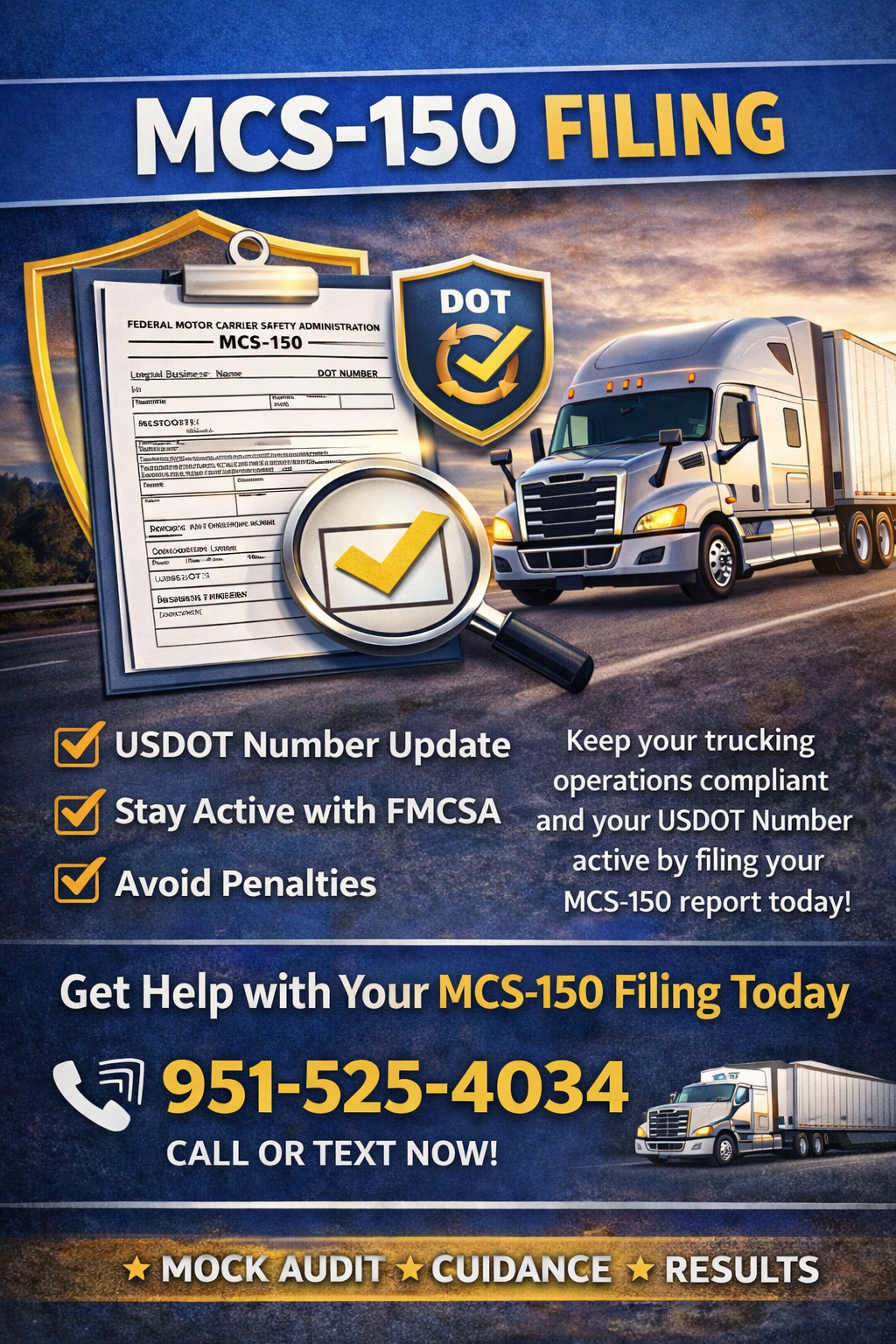
The FMCSA MCS-150 filing is a mandatory biennial update required for all interstate motor carriers operating under the Federal Motor Carrier Safety Administration (FMCSA). This report provides critical information about the carrier’s address, contact information, operation classification, fleet size, and ownership details. Timely submission of the MCS-150 ensures the FMCSA maintains accurate data for safety oversight, regulatory compliance, and enforcement. Failure to file the MCS-150 on time can lead to penalties, potential loss of operating authority, and inaccuracies in the Department of Transportation (DOT) database, which may impact inspections and safety ratings. Businesses must keep their MCS-150 filing current to maintain compliance and operational legitimacy.
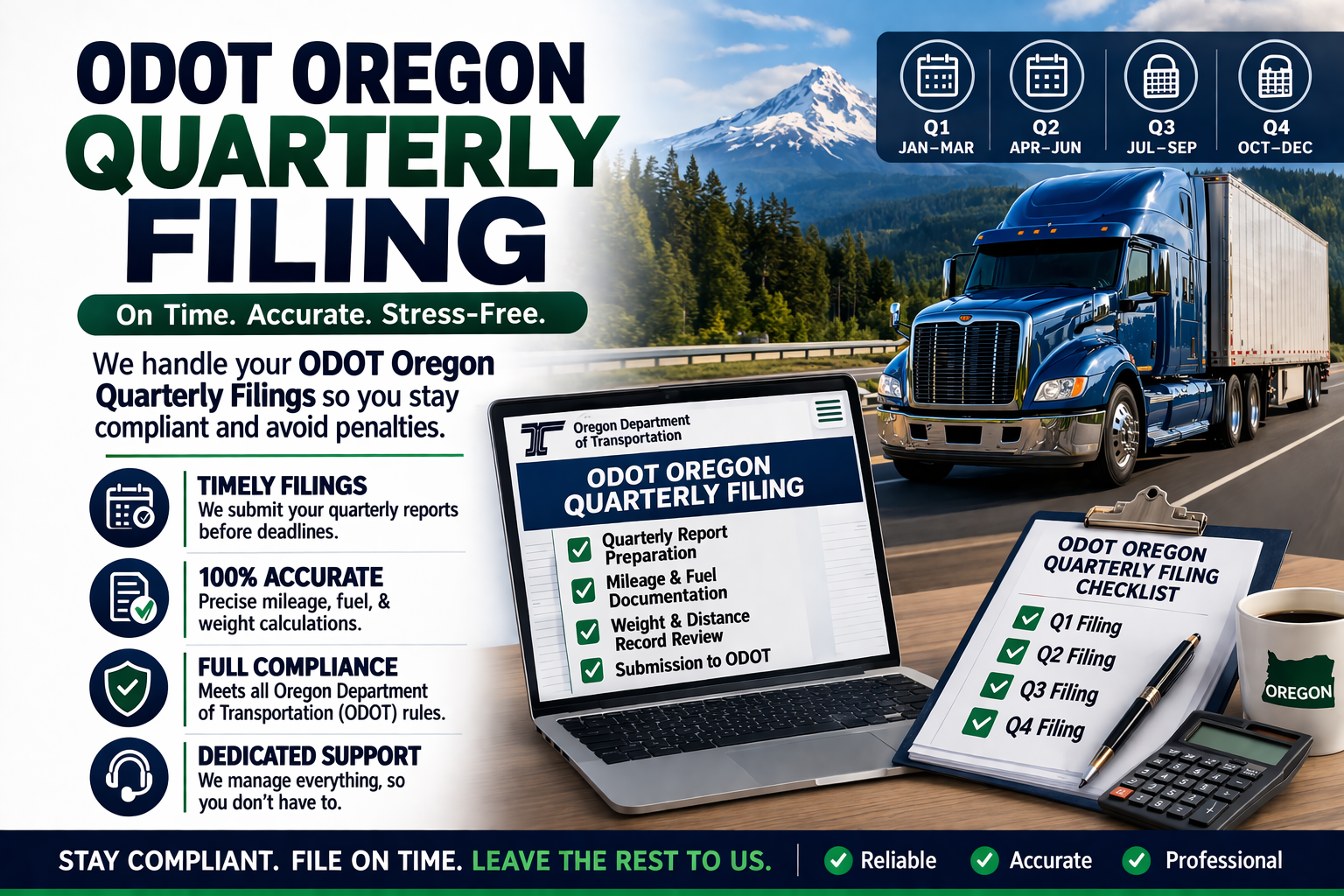
For the Oregon Weight Distance Permit, you generally need to file reports monthly, not quarterly, especially when you first get the permit.
Filing will be done within 5-10 business days
even if no miles were driven. Failure to report can result in account suspension. After 12 months of consistent filing, you may apply for quarterly reporting and request bond removal.
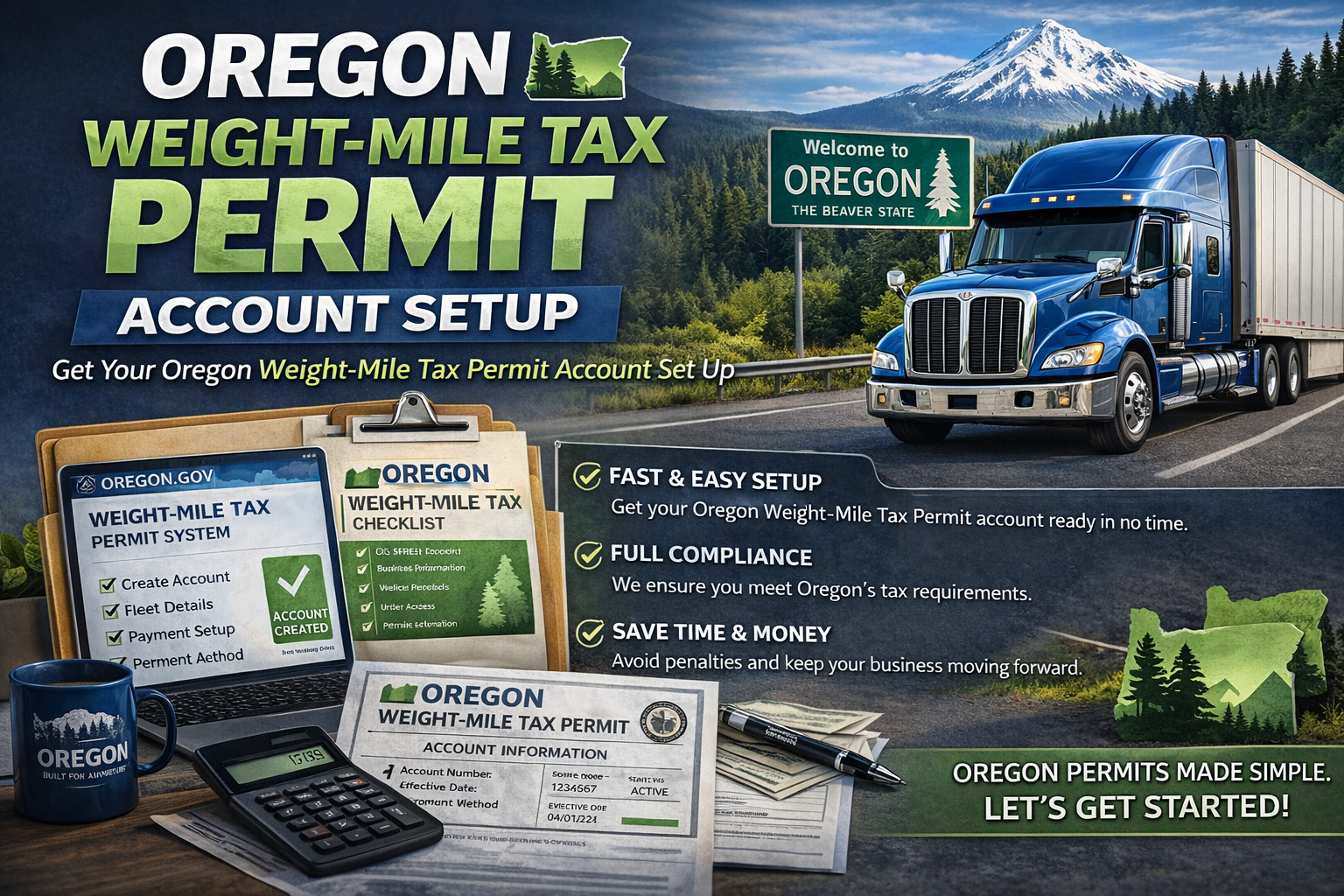
An Oregon Weight Distance Permit is a mandatory annual permit for commercial vehicles operating in Oregon that exceed a Gross Vehicle Weight (GVW) of 26,000 lbs. It's essentially a fee-based system to compensate for the wear and tear caused by heavier vehicles on Oregon's roads.
Filing will be done within 5-10 business days
Oregon-based motor carriers, carriers frequently traveling in Oregon, and any carrier operating a vehicle with a GVW over 26,000 lbs.
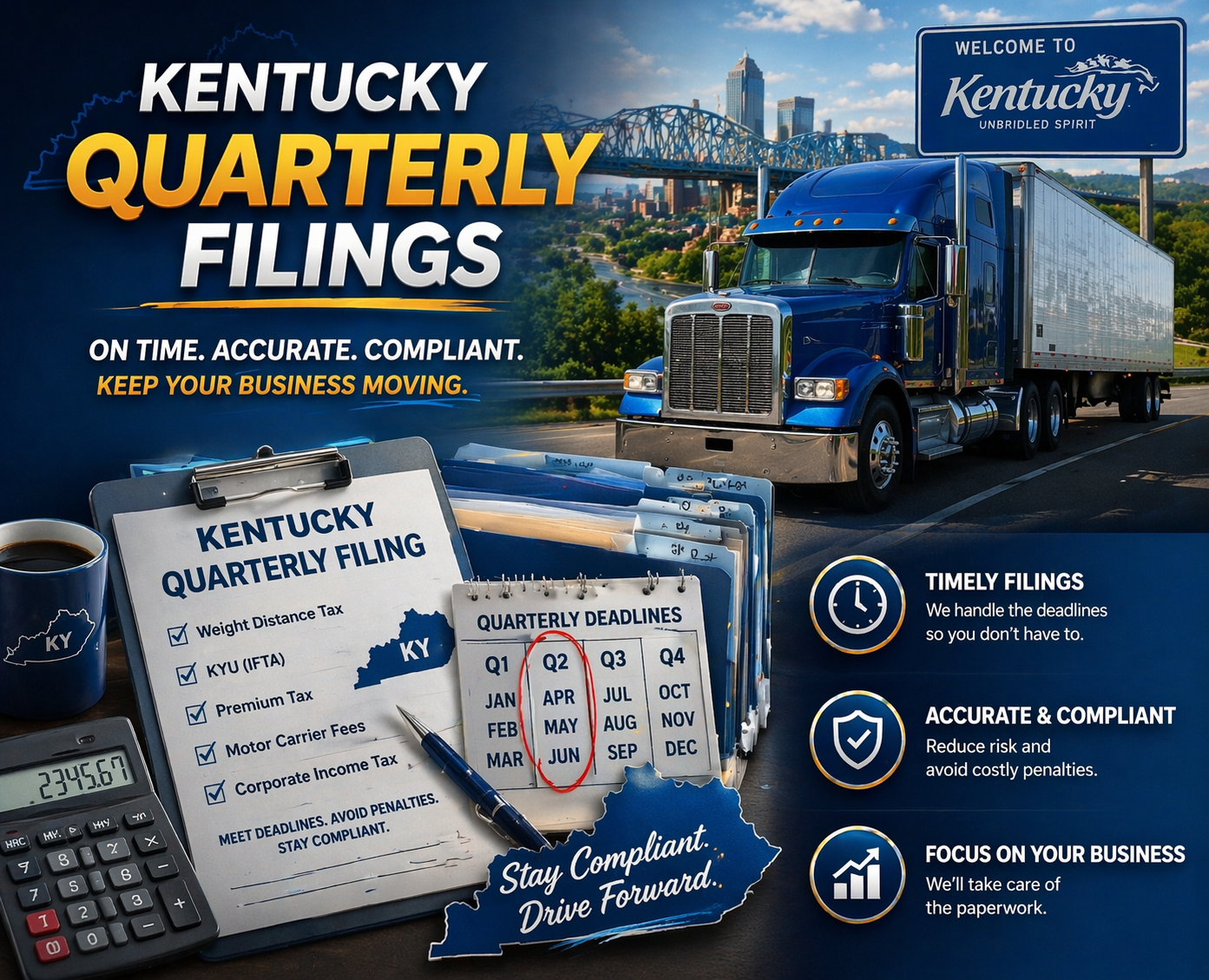
Kentucky requires quarterly tax filings based on miles driven in the state. All miles traveled in Kentucky must be reported each quarter, even if no miles were traveled during that quarter.
Filing will be done within 5-10 business days
Any commercial vehicle weighing over 59,999 pounds that operates in Kentucky is required to obtain a KYU permit. This includes both Kentucky-based carriers and those who frequently travel through the state
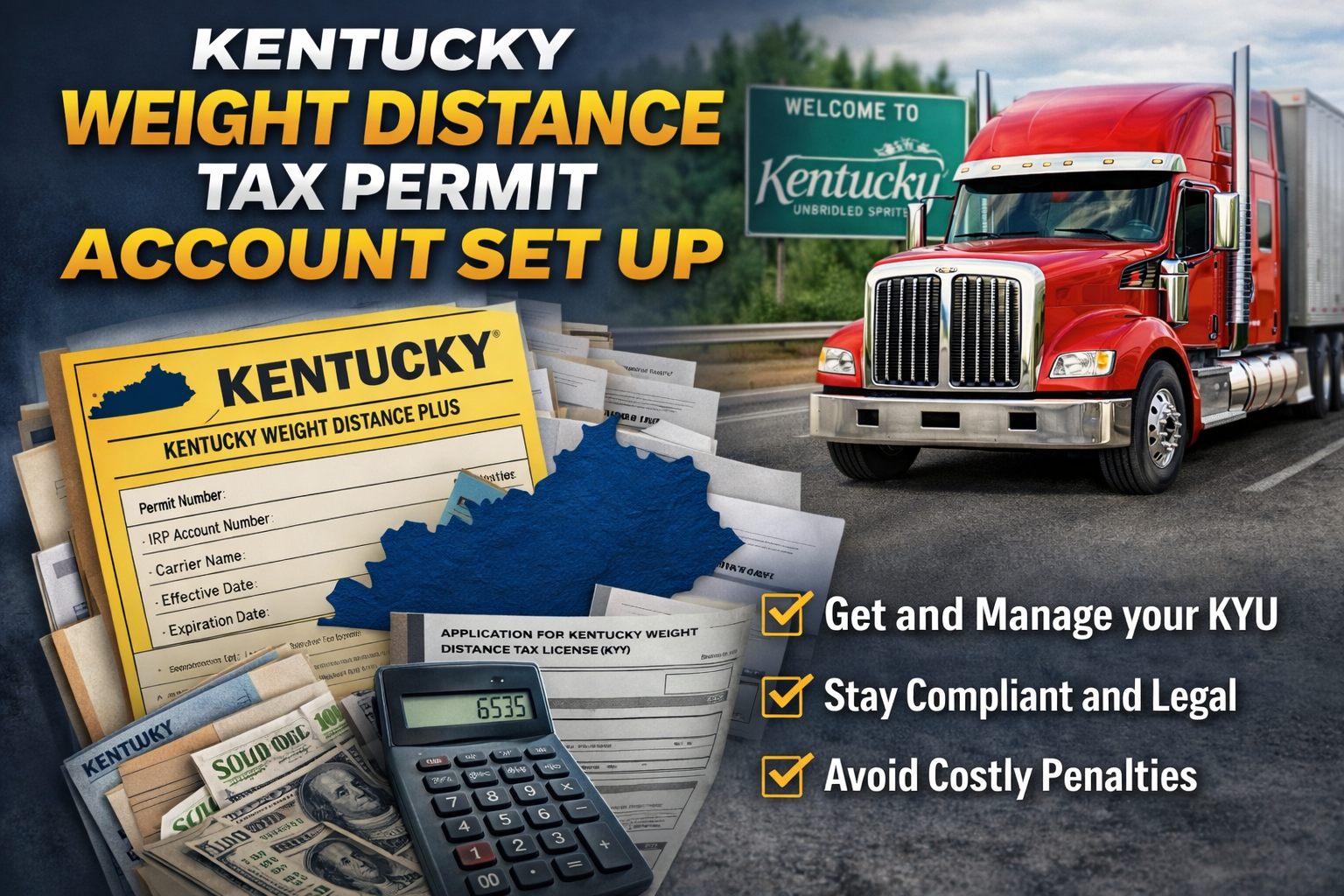
A KYU permit, also known as the Kentucky Weight Distance tax permit, is a tax license required for commercial vehicles operating in Kentucky that weigh over 59,999 pounds. This permit ensures that heavy vehicles contribute to the maintenance of Kentucky's roadways through a weight-distance tax.
Any commercial vehicle weighing over 59,999 pounds that operates in Kentucky is required to obtain a KYU permit. This includes both Kentucky-based carriers and those who frequently travel through the state
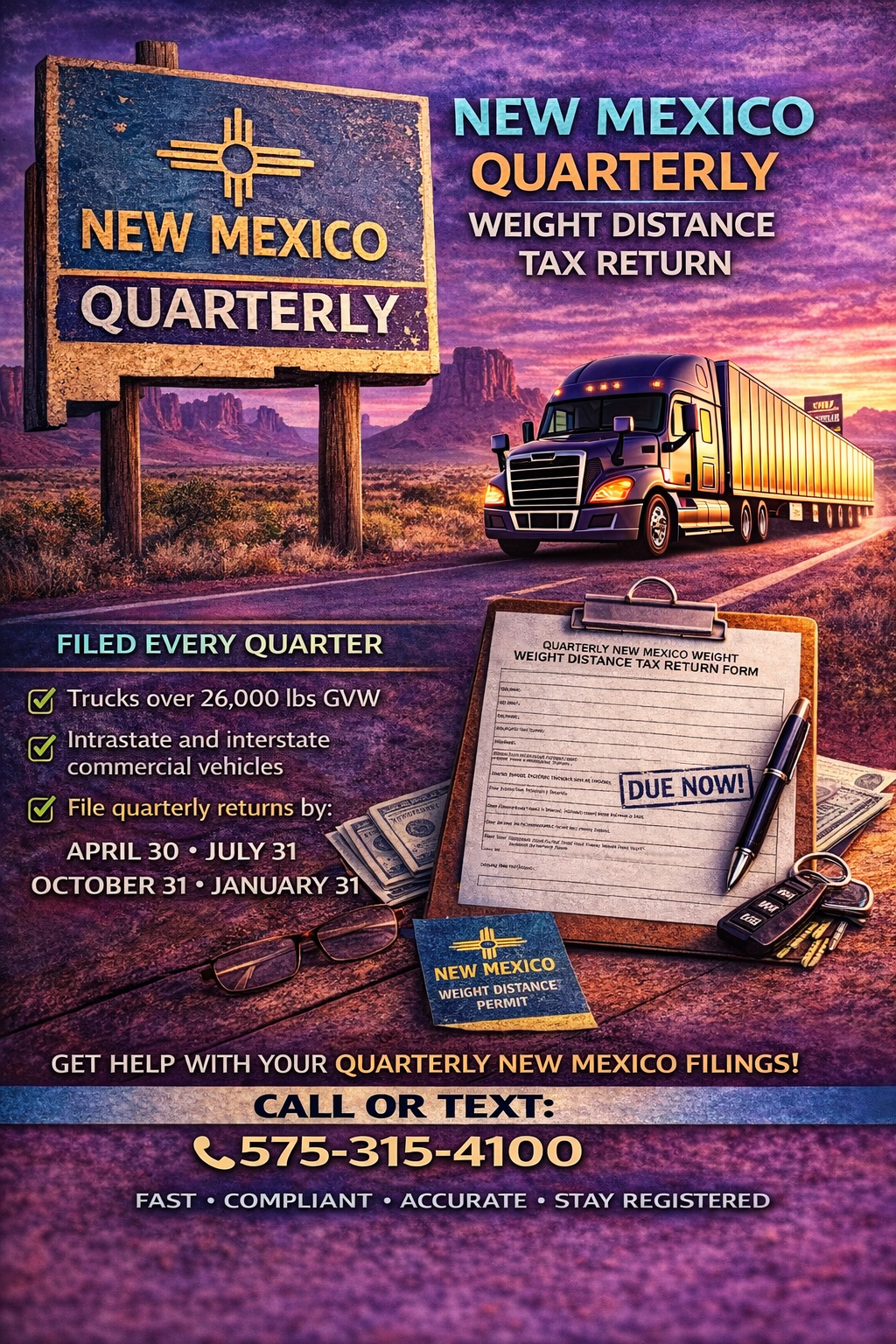
If your vehicle weighs over 26,000 pounds and travels intrastate or interstate in New Mexico, you'll likely need to file for a New Mexico Weight-Distance Tax Electronic Permit and file quarterly returns. If you're not registered under the IRP (International Registration Plan), you may also need a temporary trip permit.
Filing will be done within 5-10 business days.
f your vehicle weighs over 26,000 pounds and travels intrastate or interstate in New Mexico
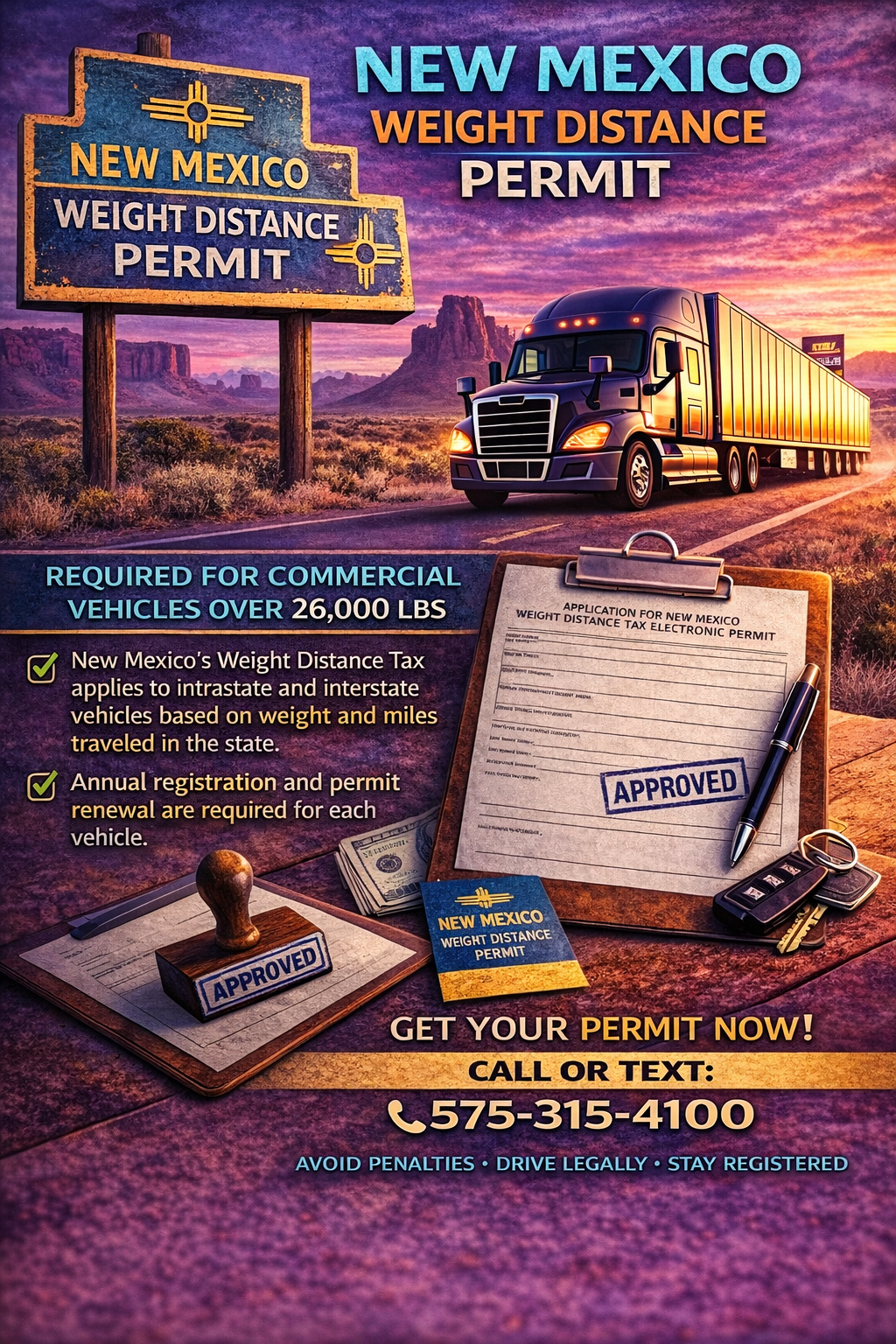
Trip permits are required for vehicles that need to travel through New Mexico but don't have IRP or IFTA (International Fuel Tax Agreement) credentials.
if your vehicle Is not registered under the International Registration Plan (IRP). Has 3 or more axles. Has a gross vehicle or registered weight over 26,000 lbs. The tow vehicle and trailer combined have a gross vehicle or registered weight over 26,000 lbs.
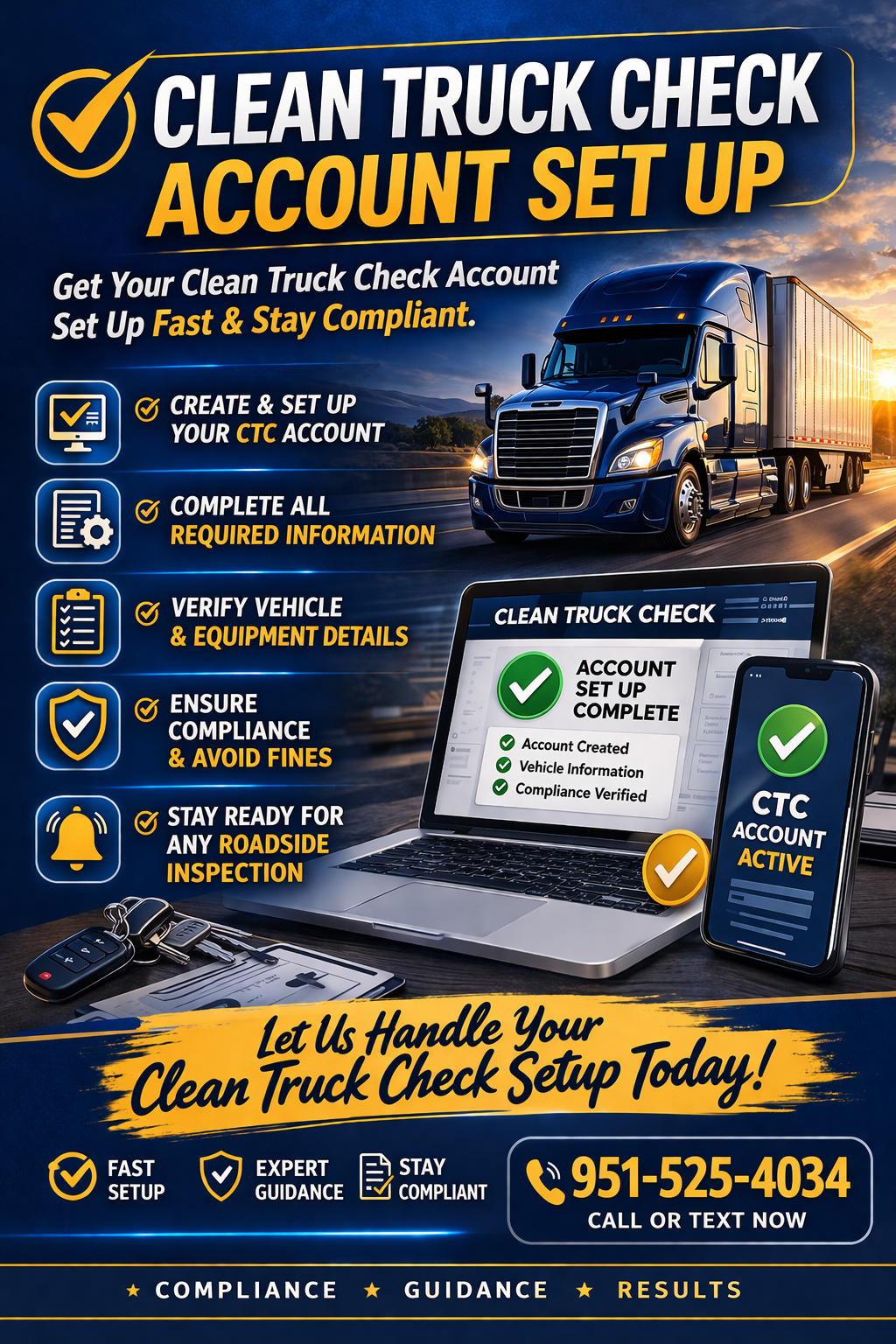
A Clean Truck Check, or Heavy-Duty Vehicle Inspection and Maintenance (HD I/M) regulation, is a California program designed to ensure that heavy-duty vehicles operating in the state have properly functioning emissions control systems. It involves periodic emissions testing, roadside monitoring, and data reporting to verify compliance.
To become Clean Truck Check compliant, the general requirement is to have your vehicle tested by a credential tester and submit a passing emissions compliance test.
It focuses on heavy-duty vehicles (GVWR over 14,000 lbs) that operate on California public roads, regardless of their registration state.
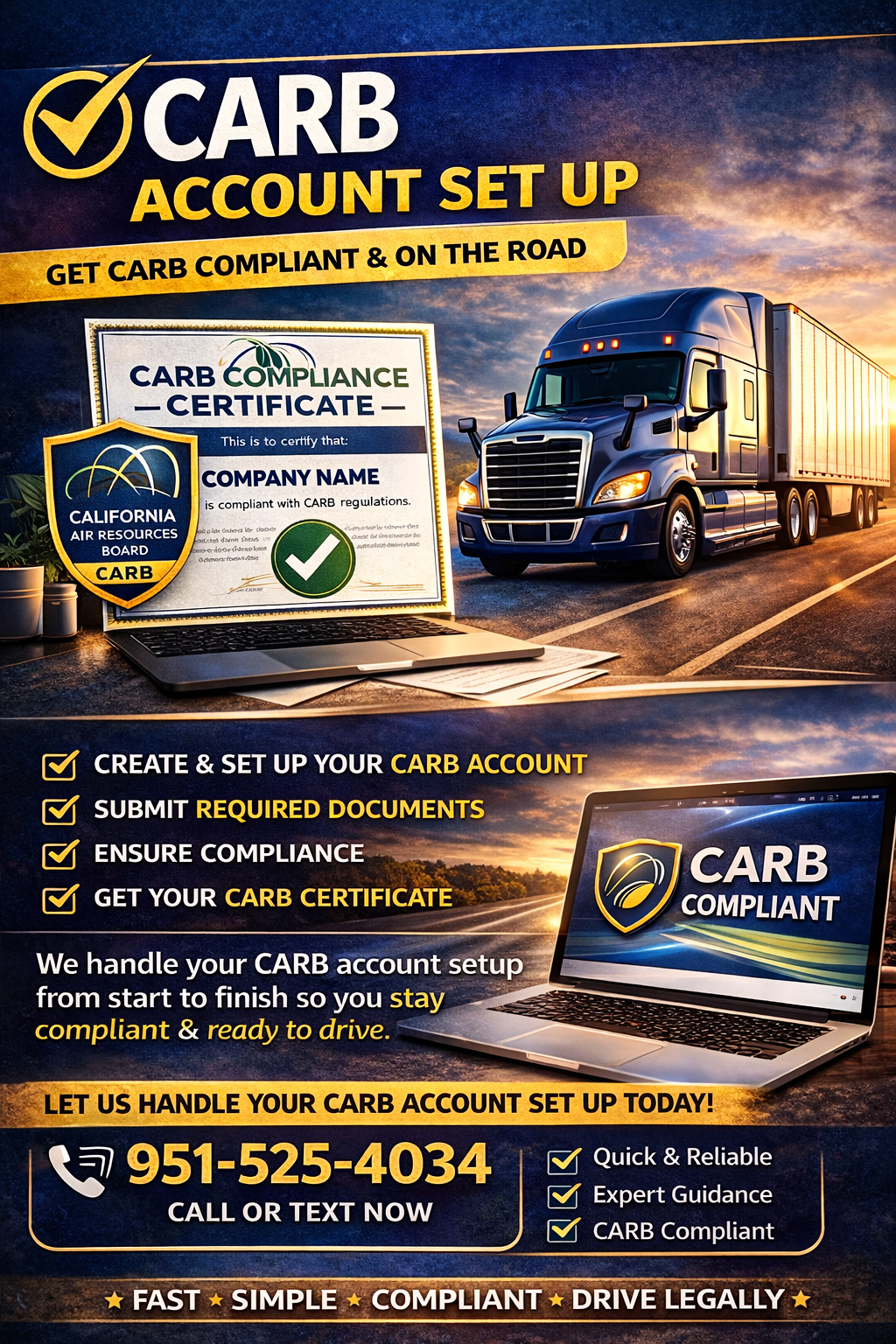
A Clean Air CARB Certificate, in this context, refers to the certification or compliance with regulations established by the California Air Resources Board (CARB) for various products and vehicles, primarily to ensure they meet emissions standards and other environmental requirements.
You can get your CARB certificate by submitting a passing emissions test
These certifications can be for heavy-duty vehicles, portable indoor air cleaners, or even specific vehicle types that qualify for Clean Air Vehicle (CAV) decals. CARB's Clean Truck Check program focuses on heavy-duty vehicles (over 14,000 lbs) operating in California to ensure their emissions control systems are properly functioning.
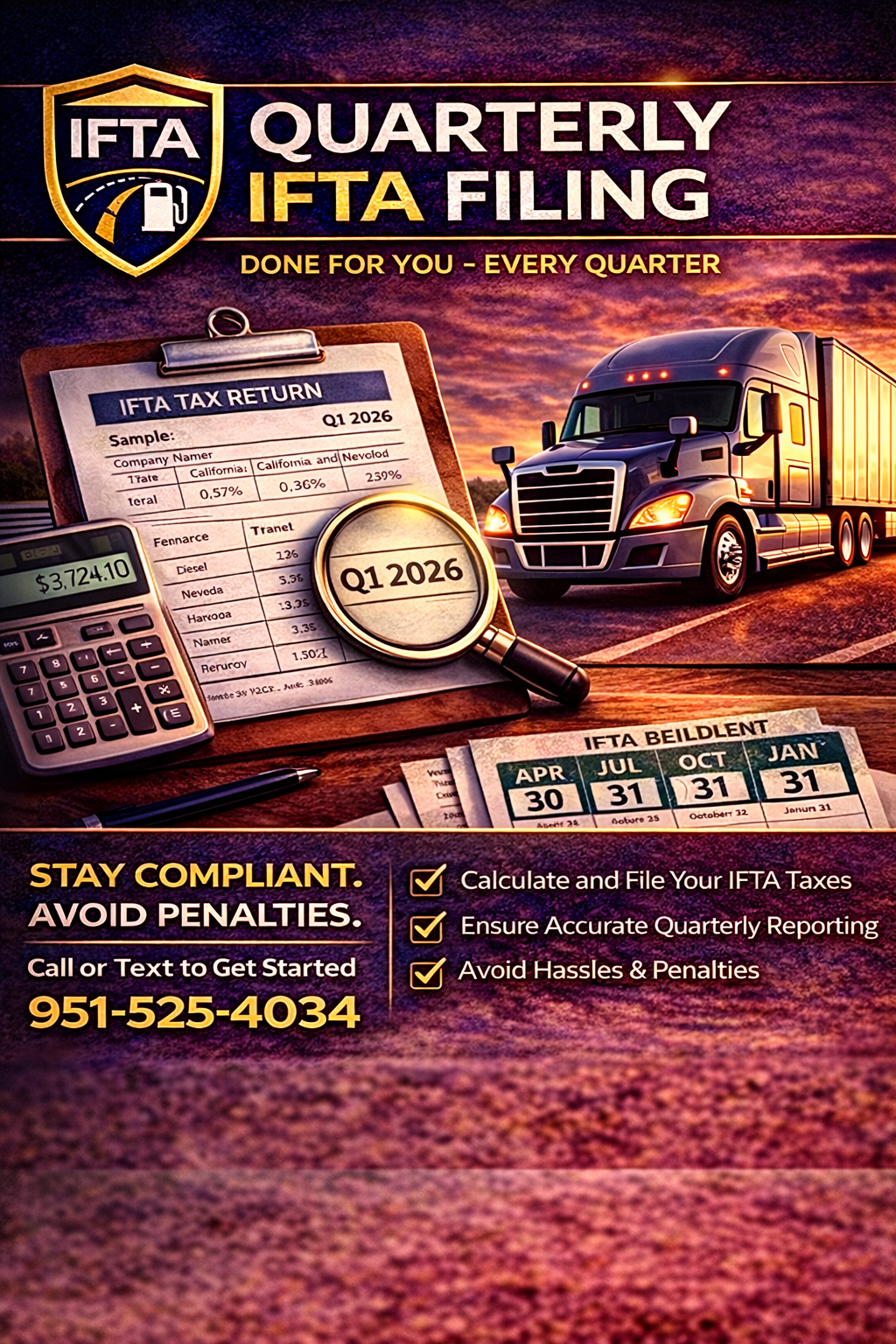
The purpose of IFTA is to establish and maintain a single fuel tax license for all of your qualified motor vehicles, authorizing them to travel in all IFTA jurisdictions, requiring you to file only one tax return each quarter with your base jurisdiction to report your fuel usage and mileage for all IFTA member states and provinces.
Filing will be done within 5-10 business days
You must file a California IFTA tax return each quarter for your entire IFTA, even if you do not travel outside of California or do not travel at all during the reporting period.
IFTA is an agreement among U.S. states and provinces in Canada that simplifies the reporting of fuel use taxes by interstate motor carriers who operate in two or more member states or provinces.
Same day issued by CDTFA
if your trucks have a gross vehicle weight of over 26,000 pounds or have three or more axles, and cross into two jurisdictions, you have a “qualified motor vehicle” and are required to file an IFTA report (no matter what your fuel type!). Local trucks operating exclusively within a single jurisdiction typically do not need to file IFTA
Price for 1-2 vehicles
This program ensures compliance with federal regulations and provides a unified system for collecting registration fees and financial responsibility information from motor carriers.
Same day issued by UCR
The UCR program applies to most carriers involved in interstate or international commerce, including for-hire carriers, private carriers, freight forwarders, leasing companies, and brokers. This includes entities that operate commercial motor vehicles (CMVs) in interstate commerce, which generally means vehicles with a gross vehicle weight rating (GVWR) of 10,001 pounds or more, or those transporting at least 11 passengers, including the driver.
The Clearinghouse, specifically the FMCSA Drug and Alcohol Clearinghouse, is a secure online database used to track and share information about drug and alcohol violations by Commercial Drive's License (CDL) and Commercial Learner's Permit (CLP) holders. Its primary purpose is to ensure that only qualified drivers are permitted to operate commercial motor vehicles on public roads, enhancing road safety.
Same day issued by FMCSA Clearinghouse
All CDL drivers who operate CMVs on public roads, and their employers and service agents. This includes, but is not limited to
An EPN (Employer Pull Notice) account with the California DMV allows employers to access their drivers' driving records and receive updates on any changes to those records. This program is primarily used by commercial and government organizations to ensure their drivers have valid licenses and are safe on the road.
7-10 days issued by DMV
Enrollment in the EPN program is mandatory for employers of commercial driver's licence (CDL) holders. It's voluntary for other employers who have employees who drive as part of their job.
Price is for 1 Vehicle
In California, a Motor Carrier Permit (MCP) is required for most commercial vehicles transporting goods or passengers, especially those with a gross vehicle weight rating (GVWR) of 10,001 pounds or more. Additionally, any operator or carrier transporting hazardous materials, or those requiring a Commercial Driver's License (CDL), also needs an MCP.
30 Days issued by DMV.
In California, a Motor Carrier Permit (MCP) is required for most commercial vehicles transporting goods or passengers, especially those with a gross vehicle weight rating (GVWR) of 10,001 pounds or more. Additionally, any operator or carrier transporting hazardous materials, or those requiring a Commercial Driver's License (CDL), also needs an MCP.
The CHP CA# serves as a unique identifier for your company and is a prerequisite for applying for the MCP. The MCP is required for operating commercial vehicles with a GVW over 10,000 lbs in California, transporting passengers for hire, or transporting hazardous materials.
1-5 business days issued by the CHP
A CHP CA# is essential for applying for a California Motor Carrier Permit (MCP). As of September 2016, California requires in-state carriers to obtain a USDOT number in addition to the CA number.

Required of individuals or companies in the transportation sector to show proof of a designated legal agent to whom process may be served.
1-3 business days.
The Federal Motor Carrier Safety Administration requires all companies that have applied for a commercial operating authority to appoint a service of process agent all 50 states and Washington DC as proven by filing BOC-3. Without a BOC-3 filing the Federal Motor Carrier Safety Administration will not authorize any operating authority.
An MC operating authority, also known as a Motor Carrier number or MC number, is a unique identifier assigned by the Federal Motor Carrier Safety Administration (FMCSA) to motor carriers who operate for-hire (paid to transport goods or passengers) across state lines. It essentially grants legal permission to engage in interstate commerce as a motor carrier.
Same day, however, it will not be active until FMCSA has BOC3 & proof of insurance.
Companies that transport regulated goods or passengers for a fee across state lines, or arrange for such transport, need an MC number.
A USDOT number is a unique identifier assigned by the Federal Motor Carrier Safety Administration (FMCSA) to commercial vehicles involved in interstate commerce and certain intrastate operations
Same day, however, it will not be active until FMCSA has proof of insurance.
Companies needing a USDOT number include those involved in hauling cargo, transporting passengers, or operating vehicles over a certain weight threshold.
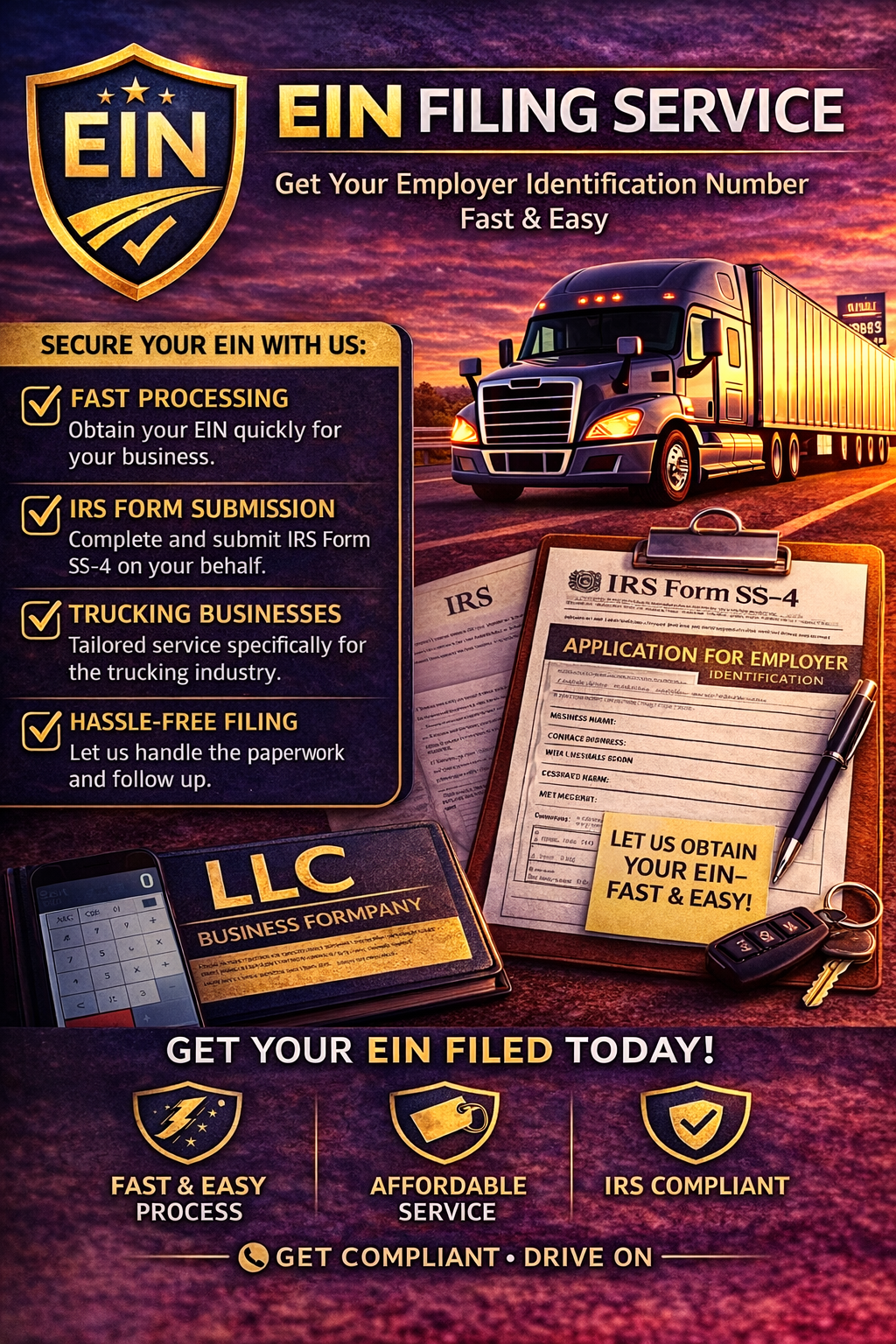
Employer Identification Number (EIN) This EIN will identify you, your business accounts, tax returns, and documents, even if you have no employees.
Same day issued by IRS
Most businesses and organizations, especially those with employees or those structured as corporations or partnerships, will need an EIN.
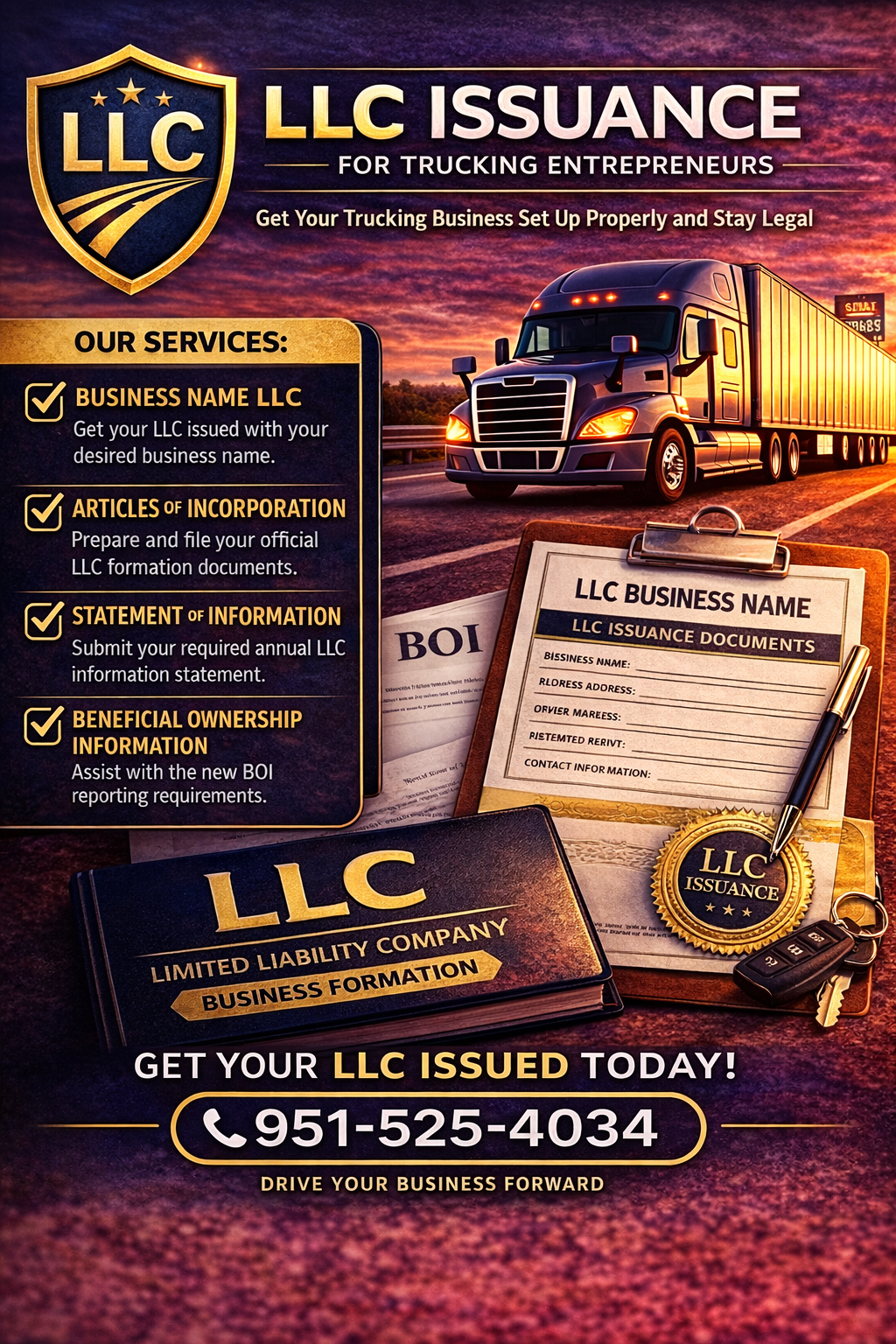
CA Limited Liability Company (LLC) Issuence of Business Name LLC, Articles of Incorporation, Statement of Information & BOI.
Typically approved within 8 business days, issued by Secretary of
Anyone starting or running a business, particularly those seeking to limit personal liability, should consider forming an LLC. LLCs offer personal liability protection, meaning your personal assets (like your home and savings) are shielded from business debts and lawsuits.
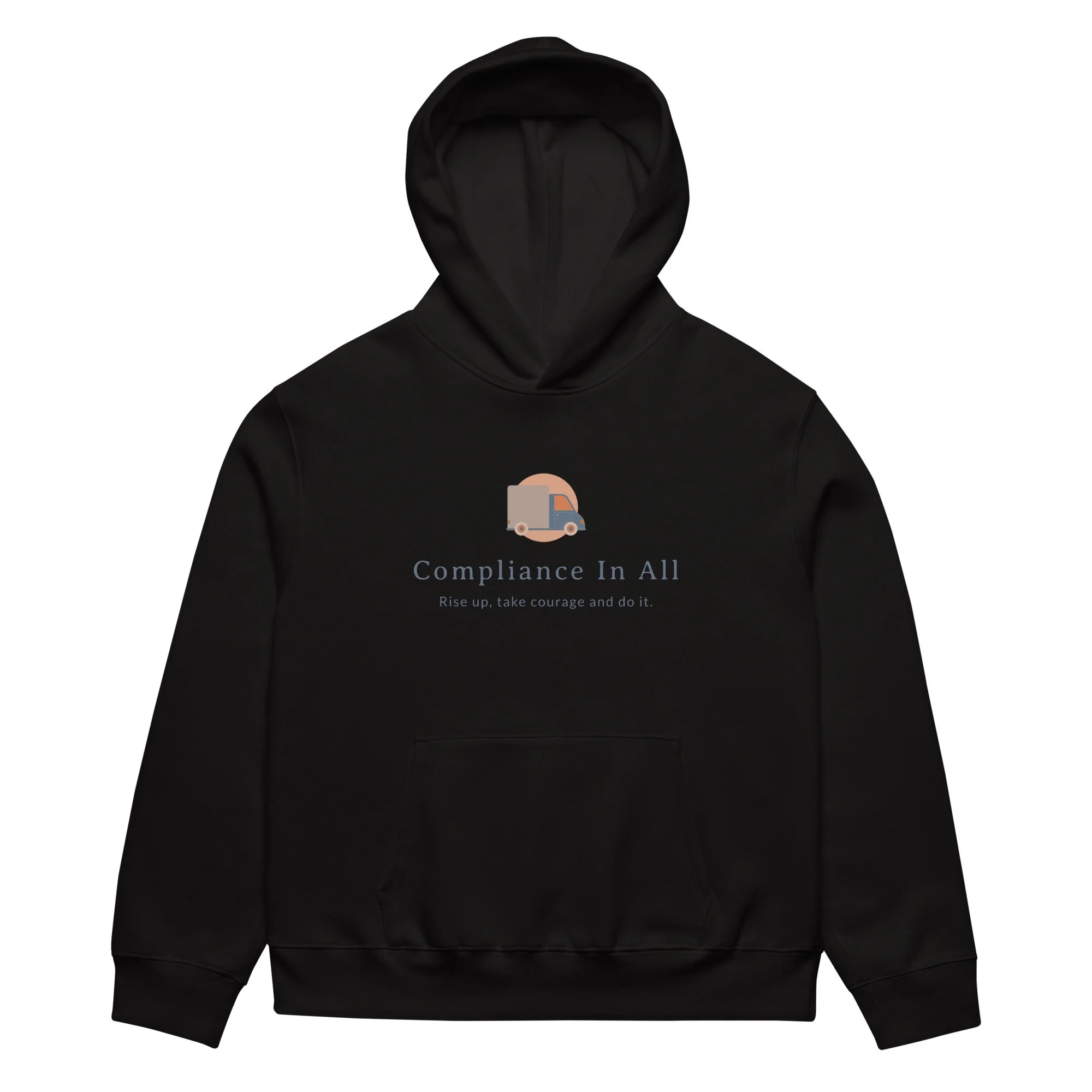
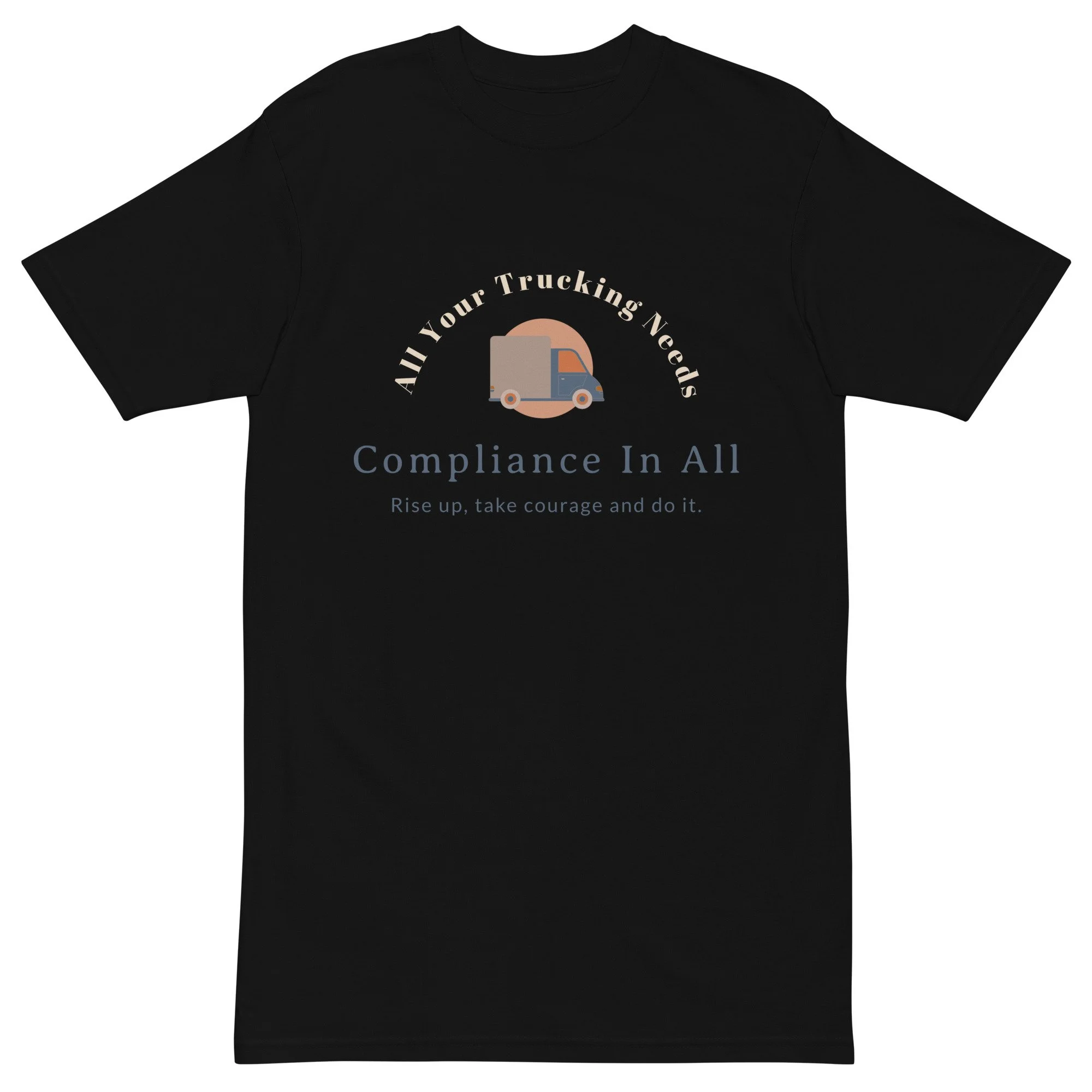





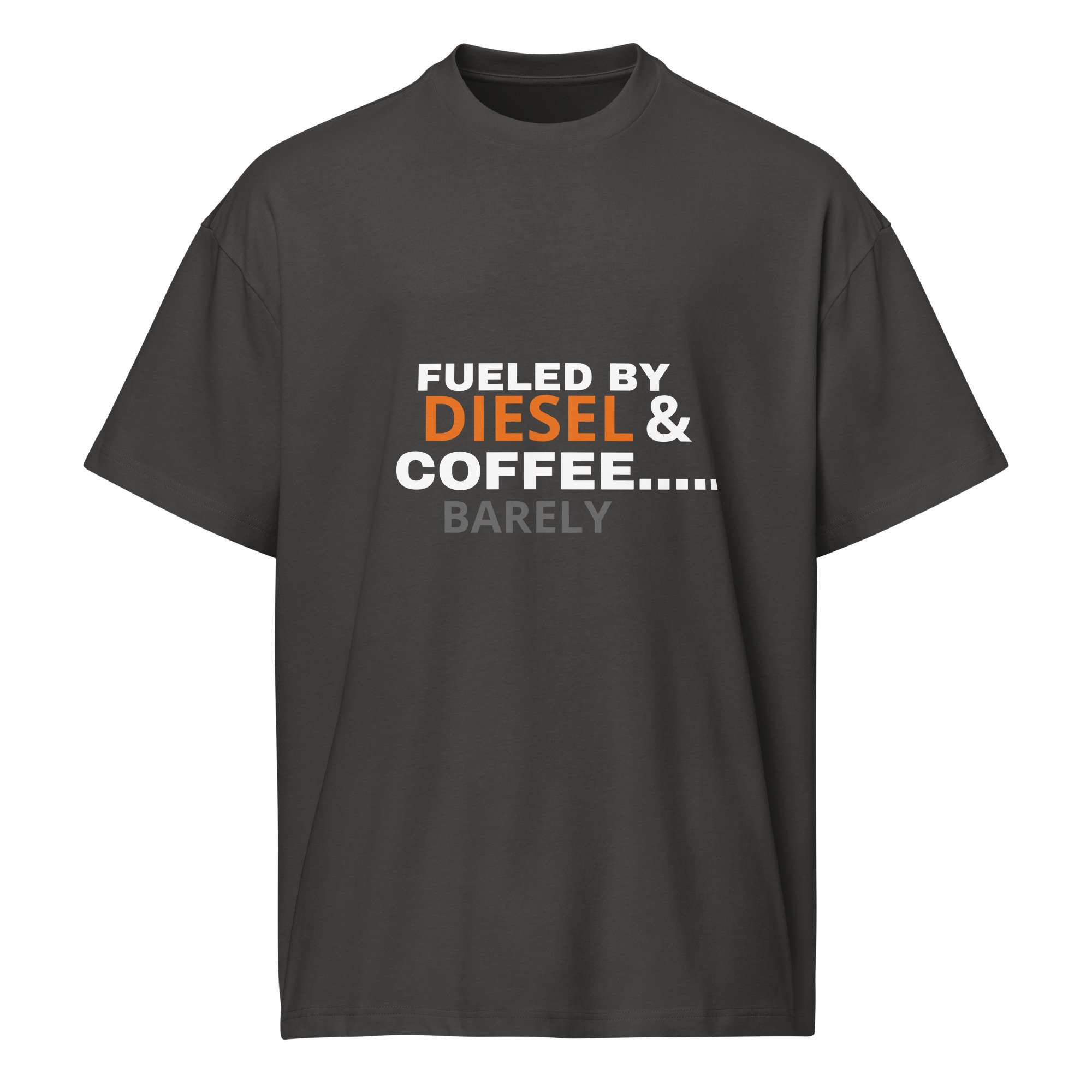
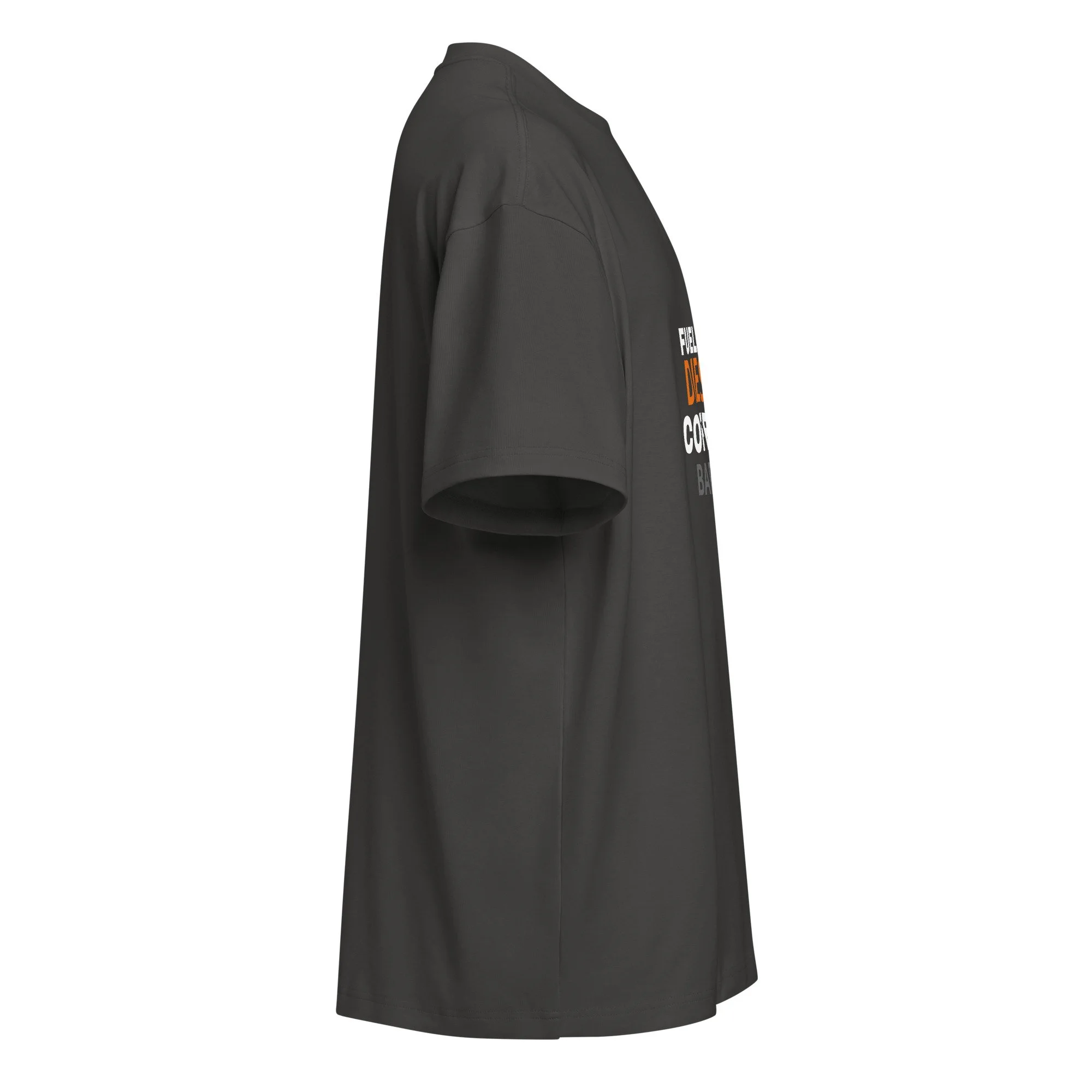
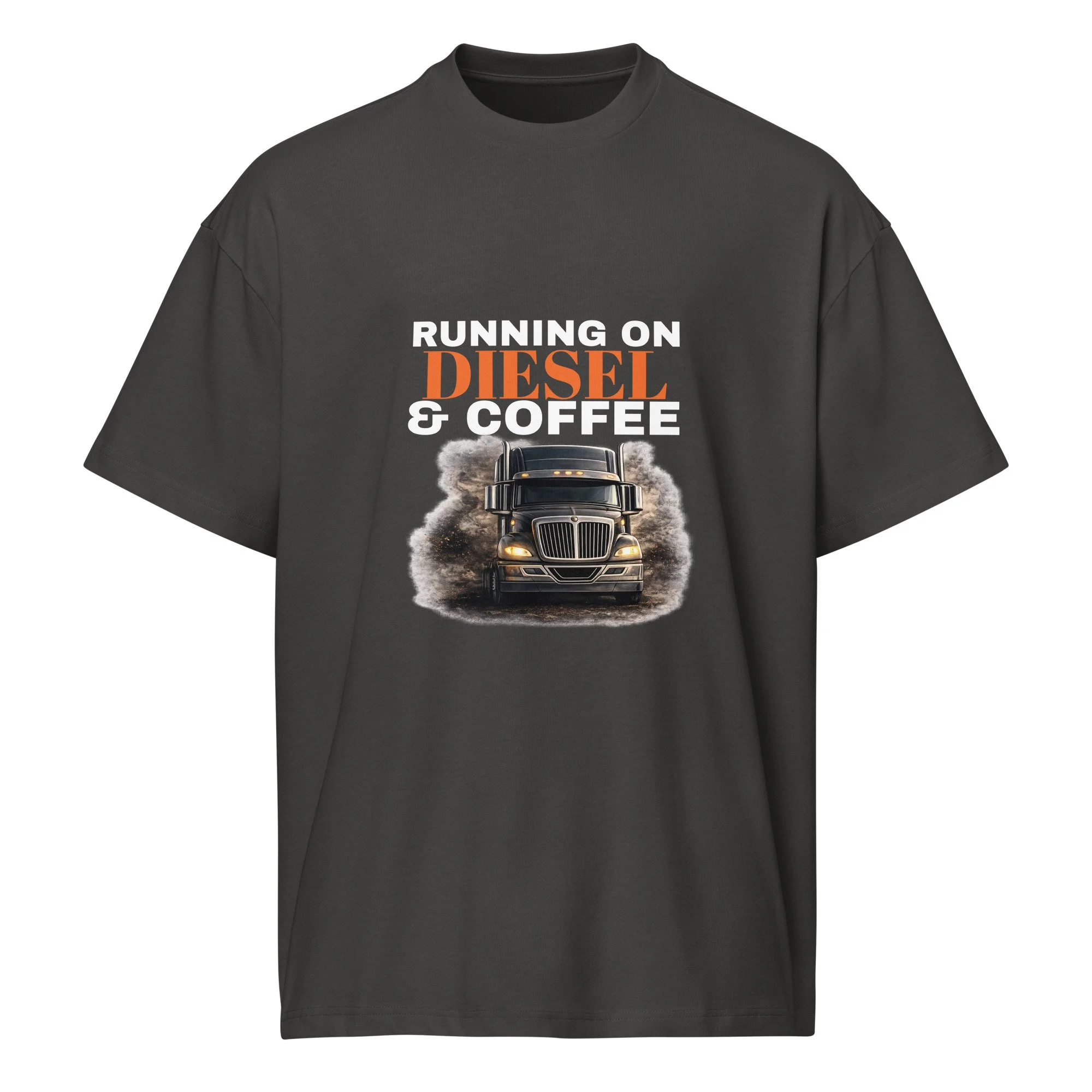
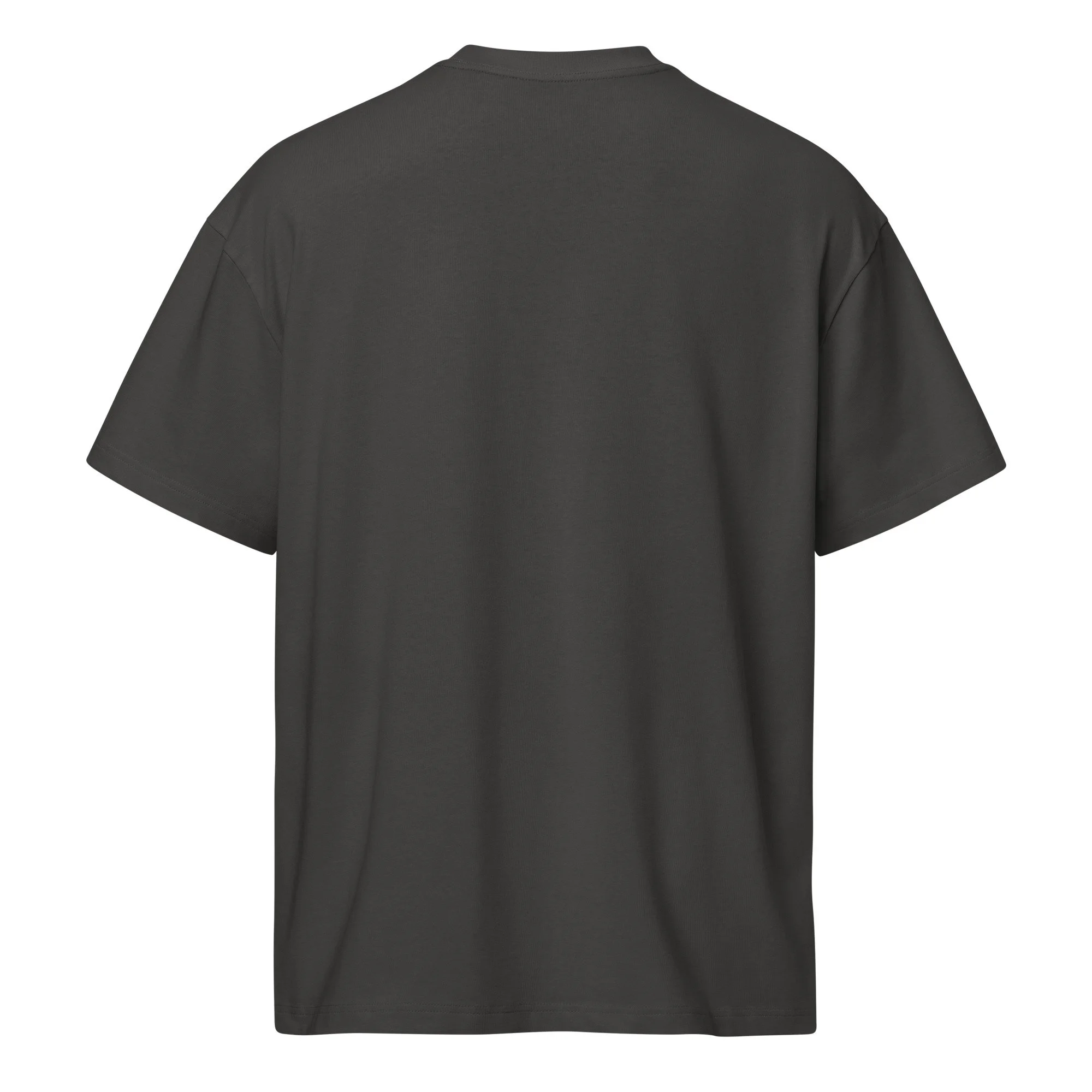
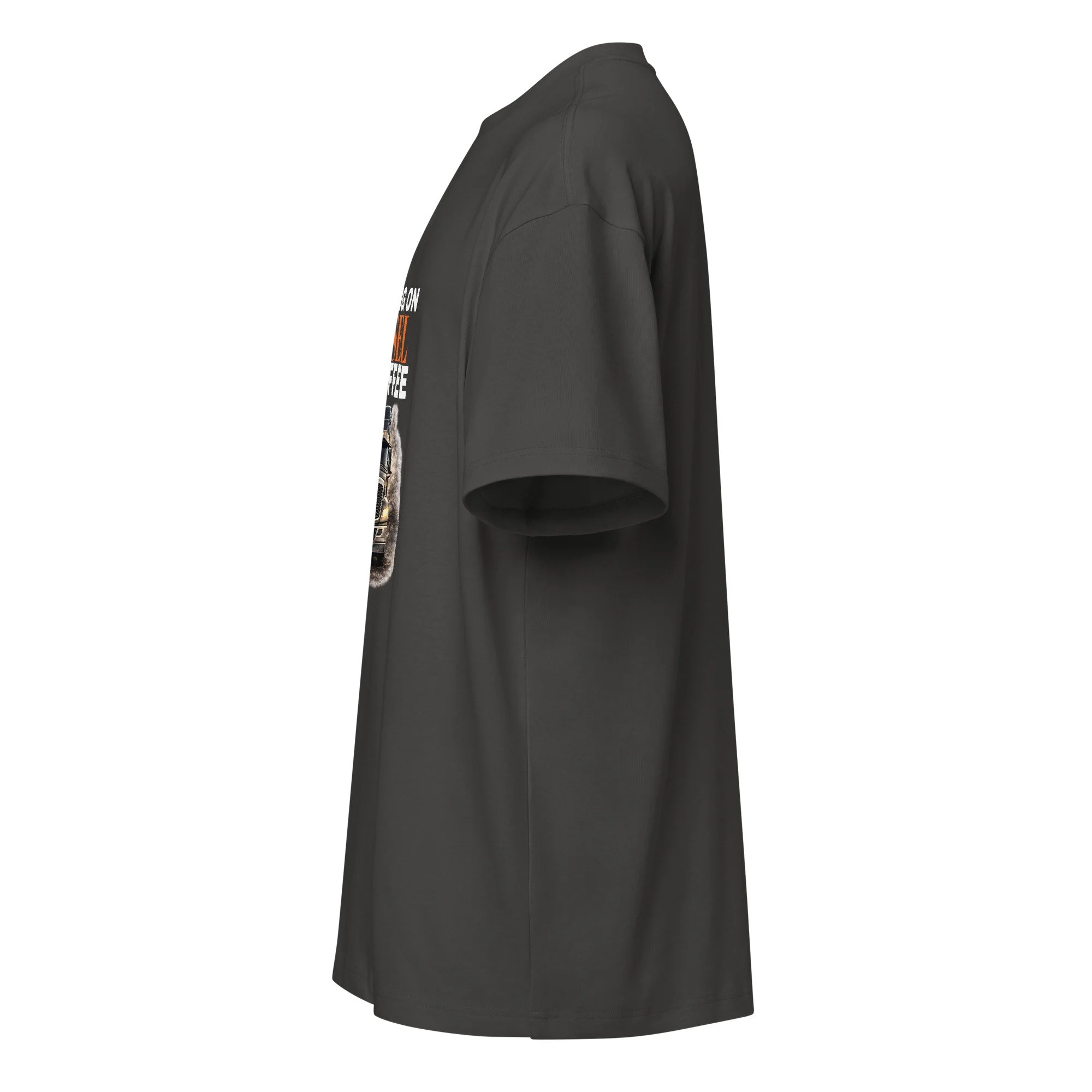
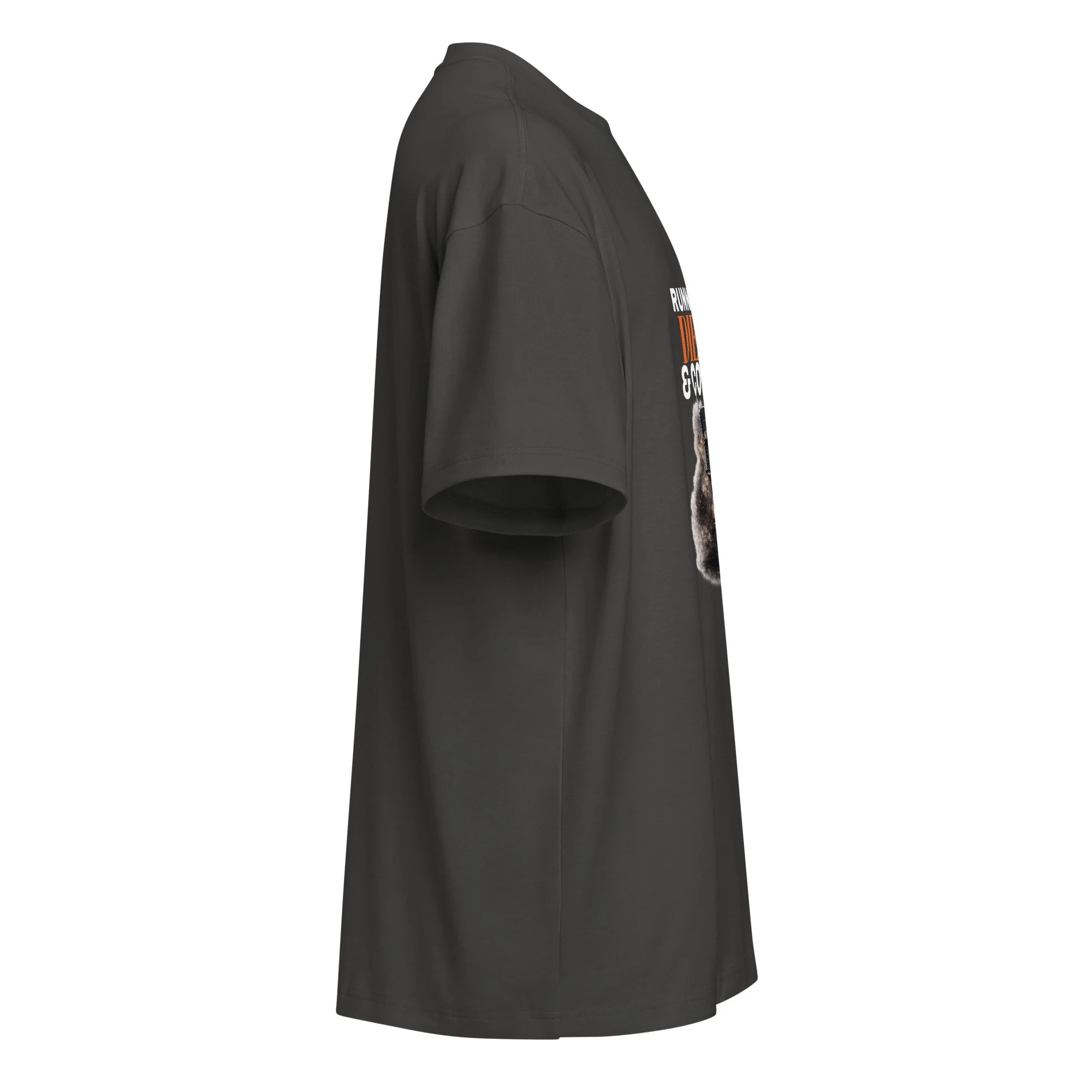
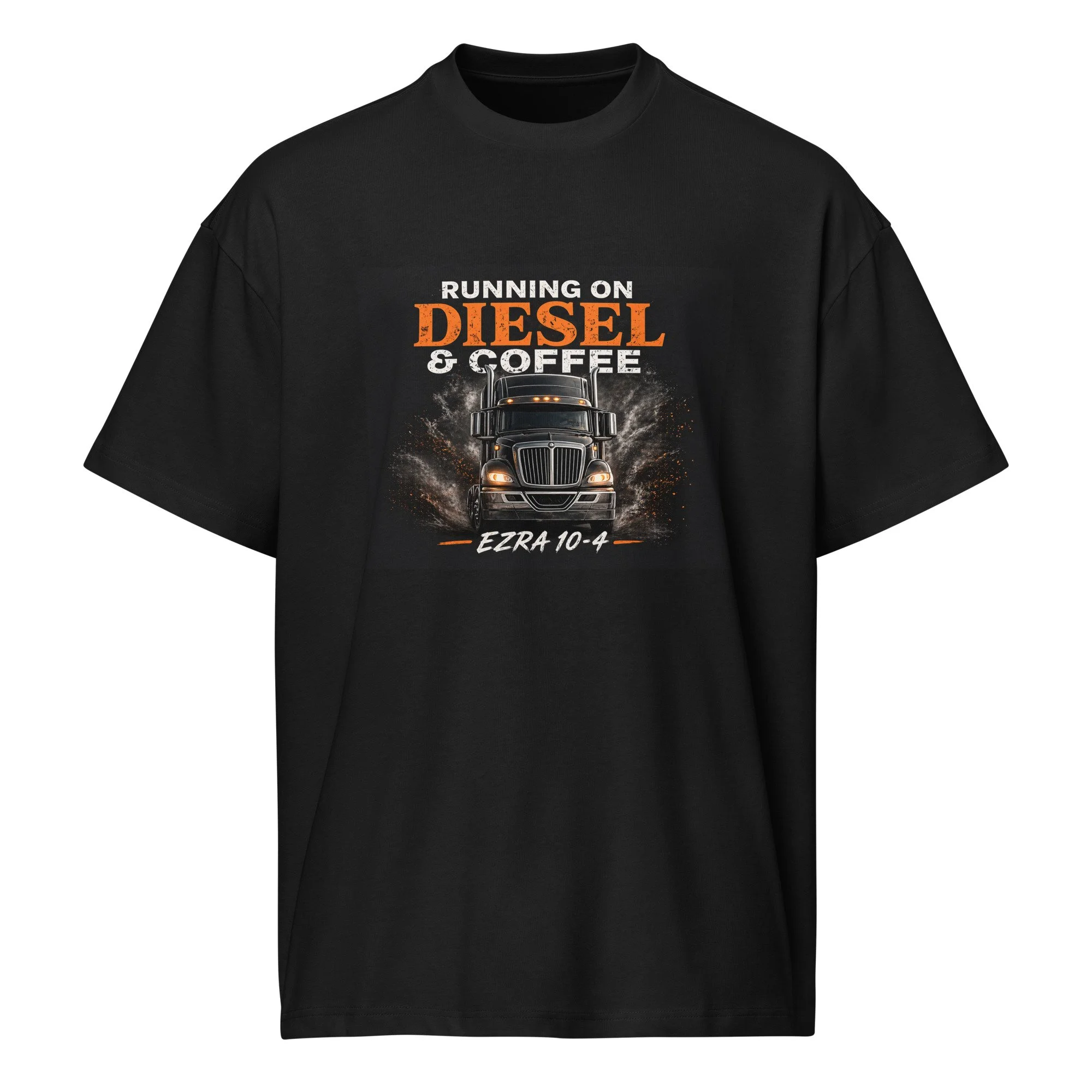
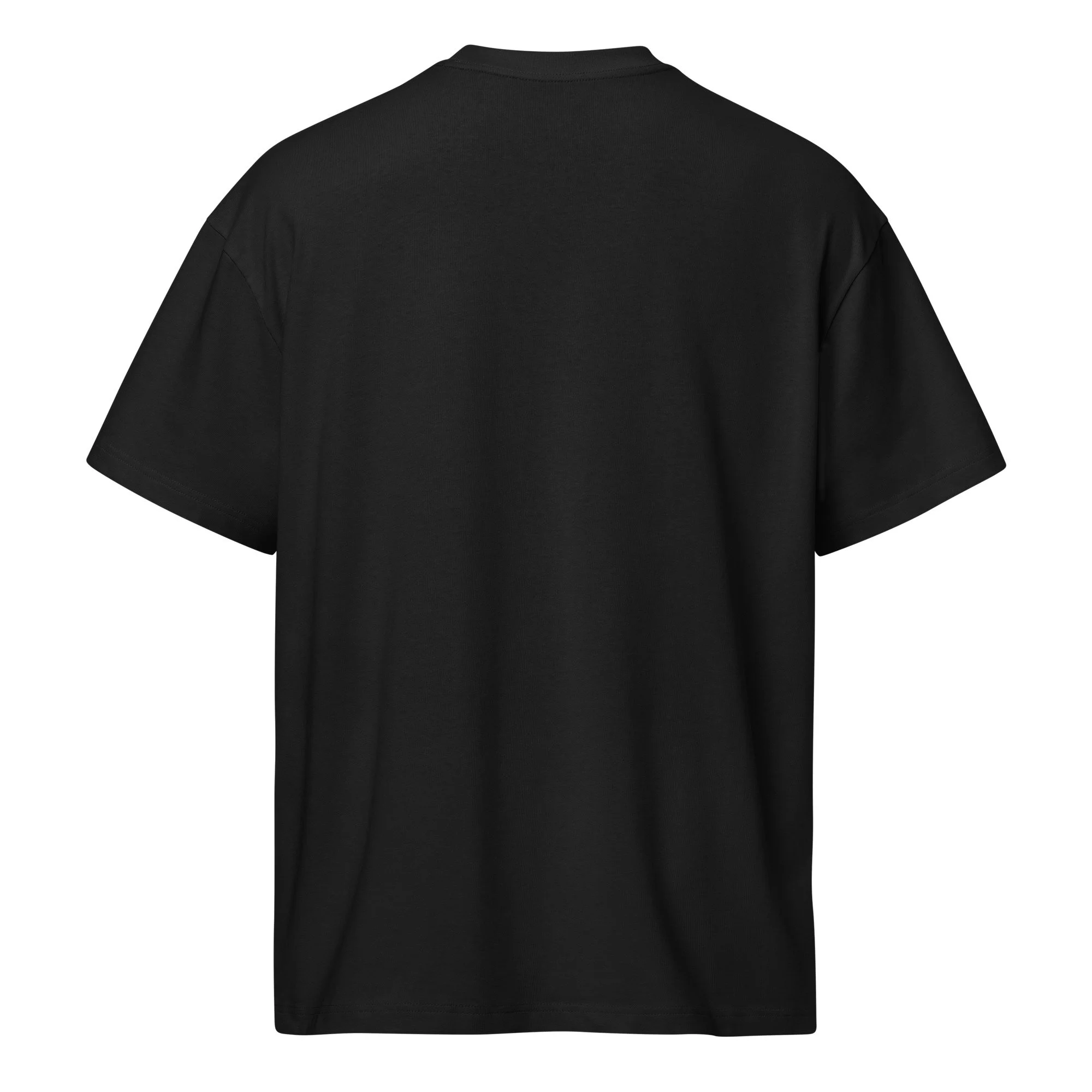
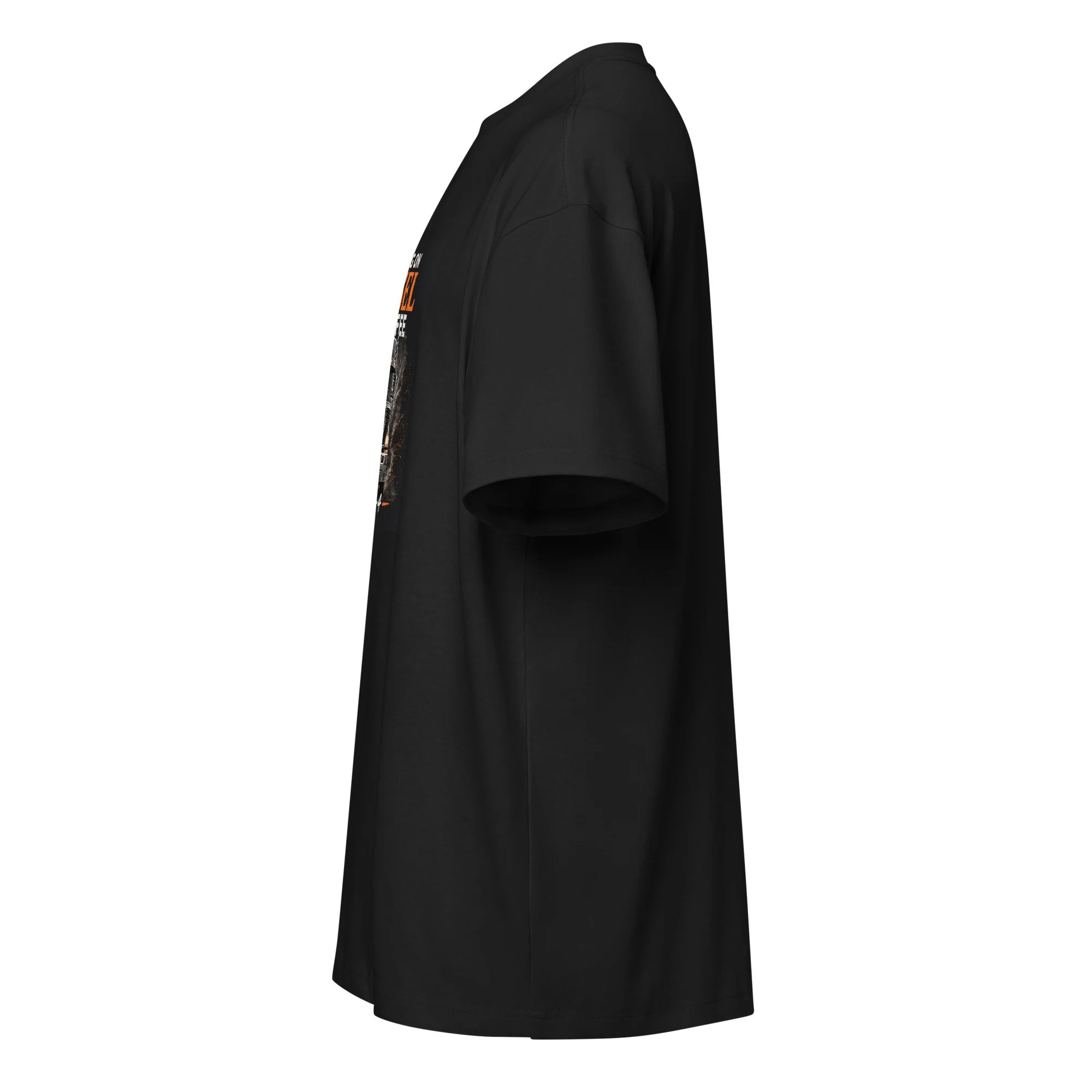
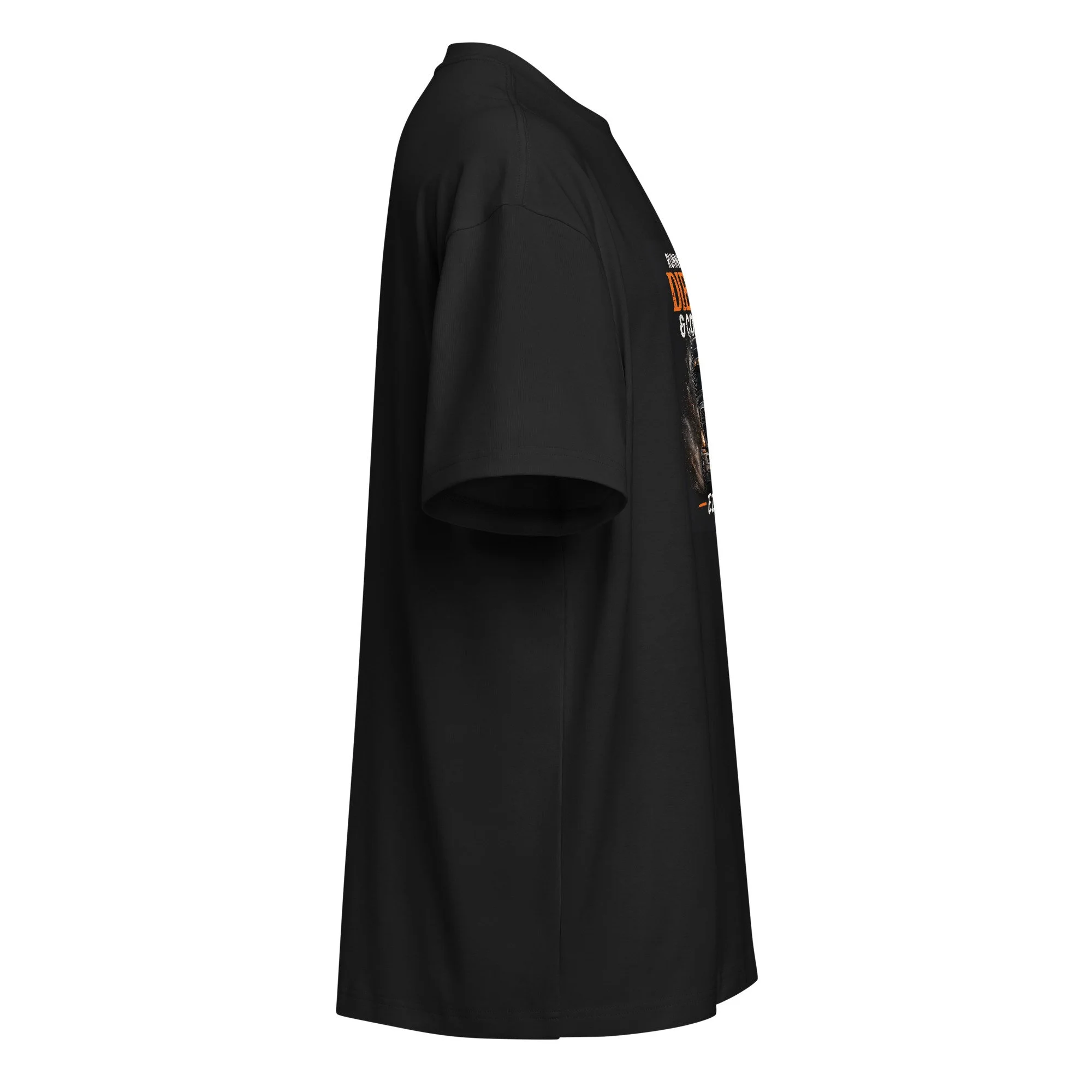
Want a tee with a flattering fit and sturdy construction? Look no further. Men’s boxy tee is the best choice for relaxed streetwear looks and layering. With a reinforced neckline and luxe feel, this shirt will be your go-to choice season after season. Christian Apparel, wording on shirt
“More than a code 10-4 is a promise” Ezra 10:4
• 100% combed ring-spun cotton
• Fabric weight: 7 oz./yd.² (237.34 g/m²)
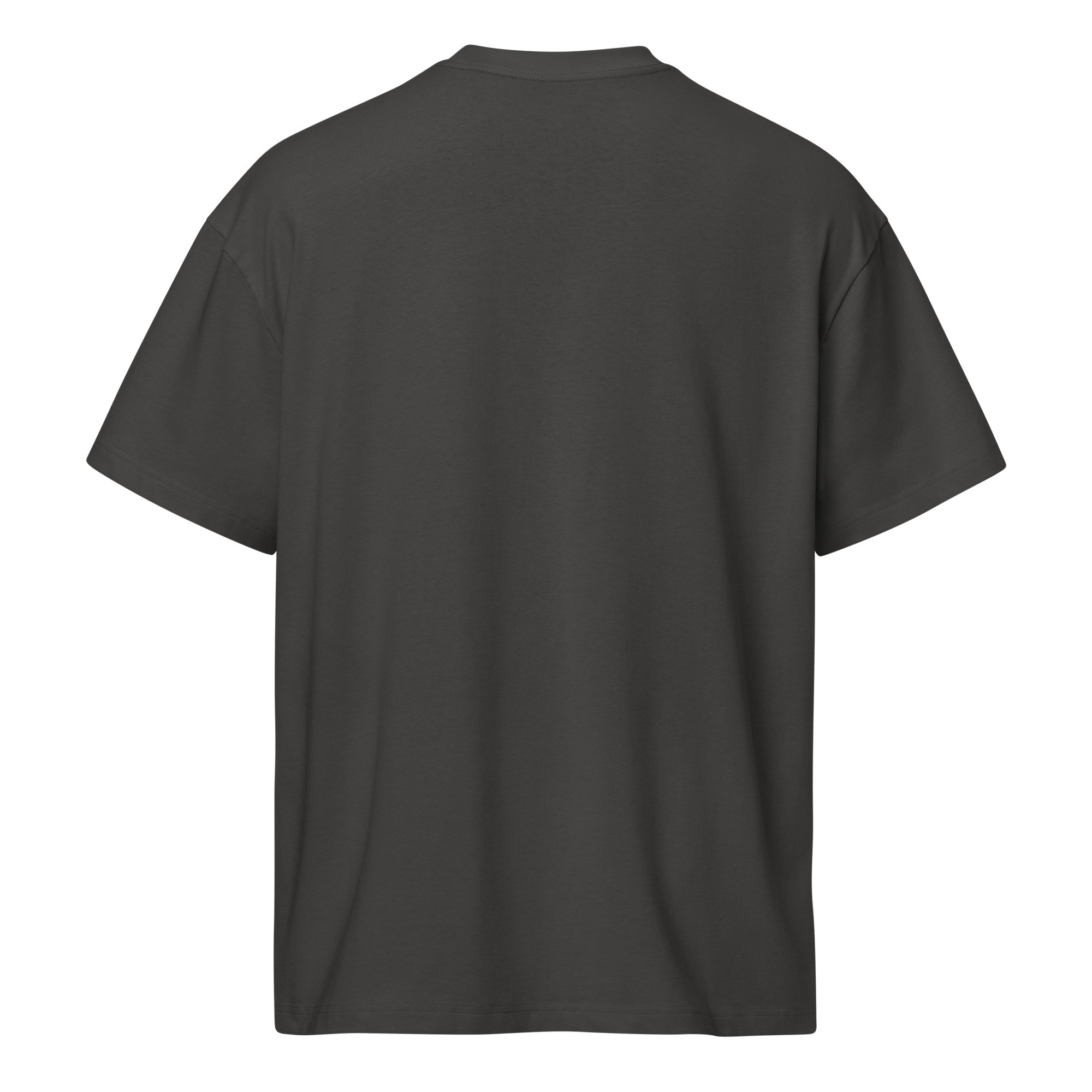
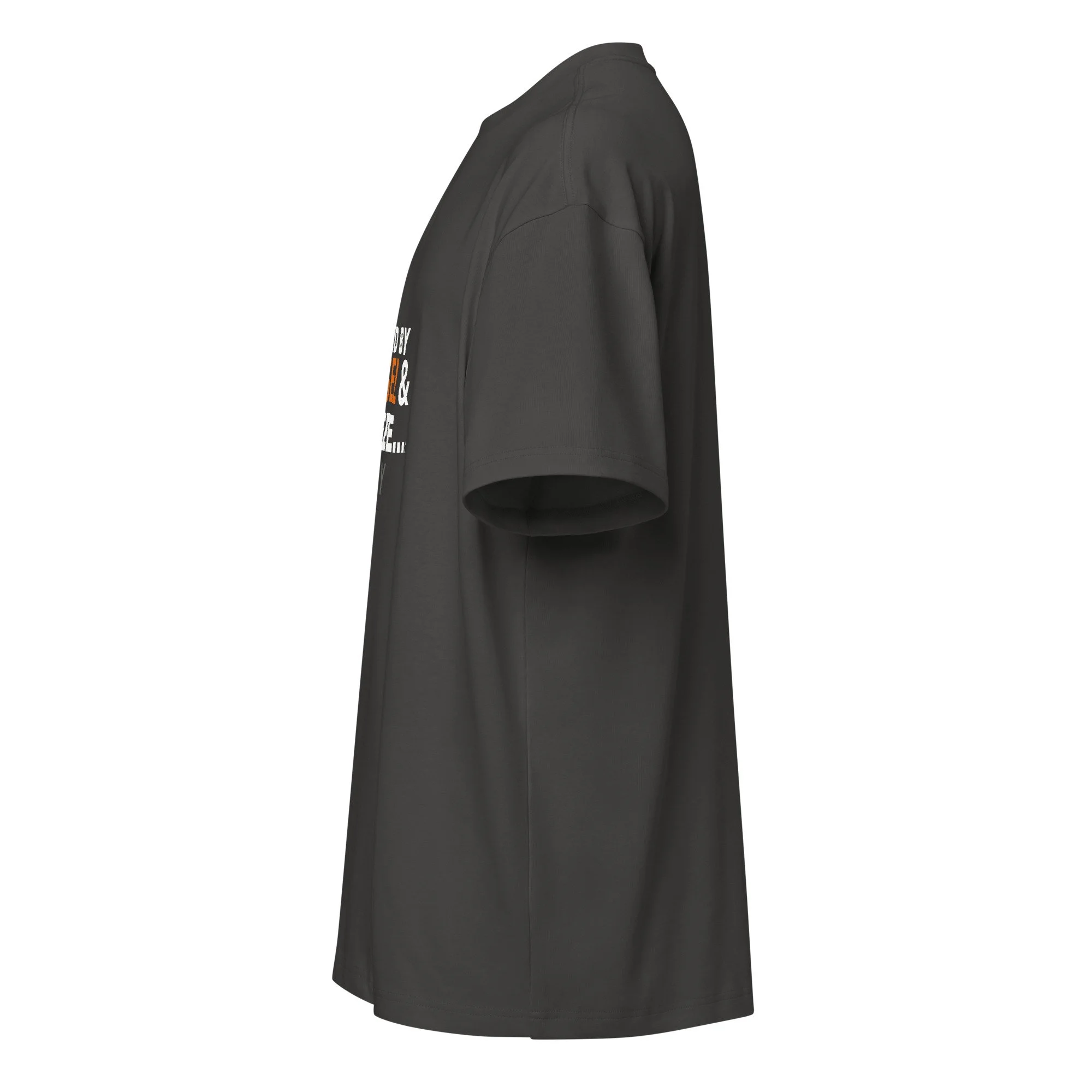
• Oversized relaxed fit
• Drop shoulder sleeves
• Ribbed collar reinforced neckline
• Blank product sourced from Bangladesh
This product is made especially for you as soon as you place an order, which is why it takes us a bit longer to deliver it to you. Making products on demand instead of in bulk helps reduce overproduction, so thank you for making thoughtful purchasing decisions!



No results match your search. Try removing a few filters.